Woodside, Queens · since 2007
Water damage and fire restoration in Woodside, NY
A restoration contractor on 61st Street, working across western and central Queens. Emergency extraction and structural drying, fire and smoke cleaning, mould remediation, sewage and storm cleanup, contents pack-out and reconstruction. The telephone is answered at any hour by somebody on the crew. We document your loss thoroughly and we will not pretend to decide your claim — and we will tell you on day one which of your belongings are not going to be saved.
- 2007
- On the same block ever since
- 24h
- Answered by this crew, not a call centre
- $0
- For the emergency assessment, at any hour
- 0
- Awards, badges or star ratings claimed
If there is fire, if you can smell gas, or if the building has been hit structurally, ring 911 before you ring us — and do not go back inside for anything until the Fire Department says you can. If there is standing water near live electrical equipment, the power comes off from a point outside the water first. Before you call us sets out which situations are ours and which are not, and that advice is free either way, at any hour.
The two sentences said in every hallway tonight
The awkward things, on the front page
“Your insurance will cover this.” Nobody standing in your hallway can know that. Coverage is decided by your policy wording and applied by your insurer’s adjuster; a contractor has no authority in it whatsoever. What we can do is document the loss well enough that the decision gets made on facts — photographs before anything moves, a written scope, dated daily readings. What we will not do is negotiate your settlement, because in New York that is a licensed activity and we are not licensed for it.
“We’ll take care of your deductible.” That one is not a discount. For the arithmetic to work, the invoice sent to your insurer has to be inflated by the amount of the deductible, which is insurance fraud under the Penal Law — and your signature is on it. An offer to make your deductible disappear is an offer to commit a crime that is far easier to prove against you than against the person offering it.
Six of 33
What we are called out for most
The full list runs to 33 services across 5 areas of work, and every one of them publishes the range that job actually lands in.
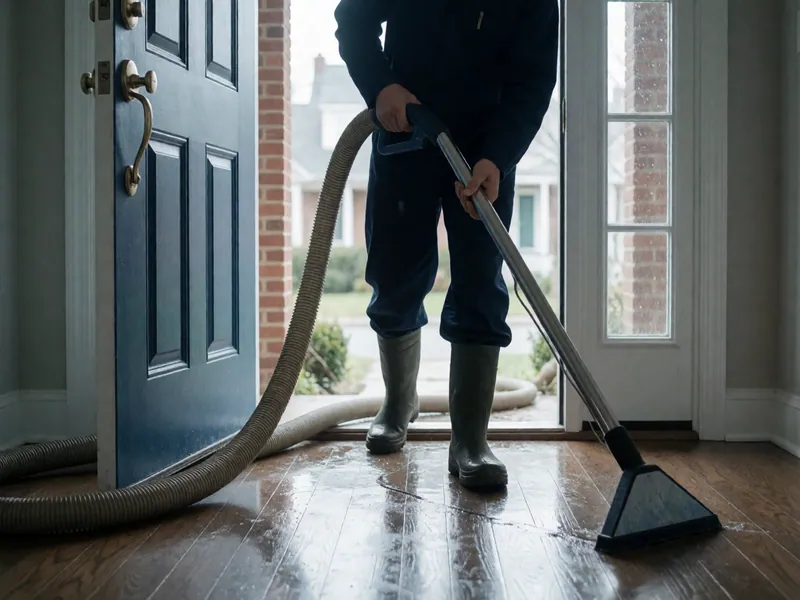
Water damage restoration in Woodside, NY
The whole job from the first hour to the last moisture reading — extraction, drying, and the repairs that put the room back.
$1,800 – $9,400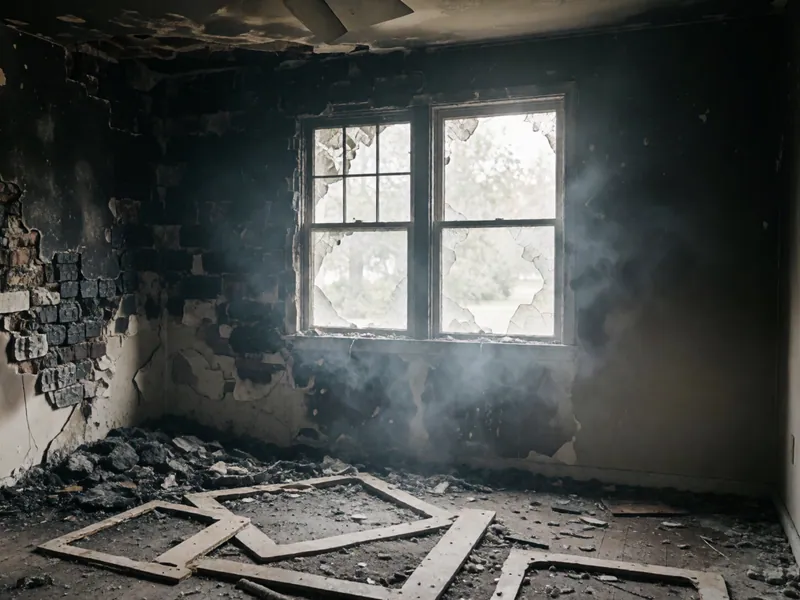
Fire damage restoration in Woodside, NY
From securing the building on the night to handing back a room you would sit down in — and what happens in between.
$6,500 – $48,000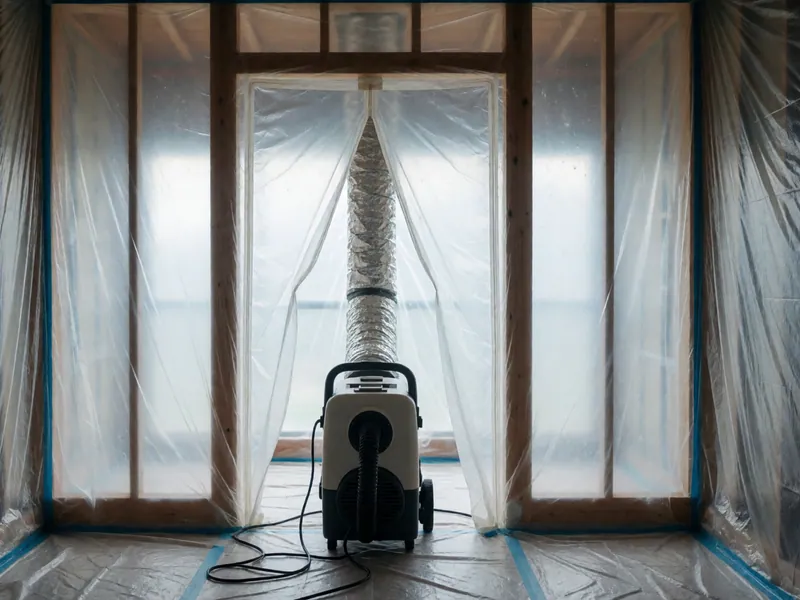
Mould remediation
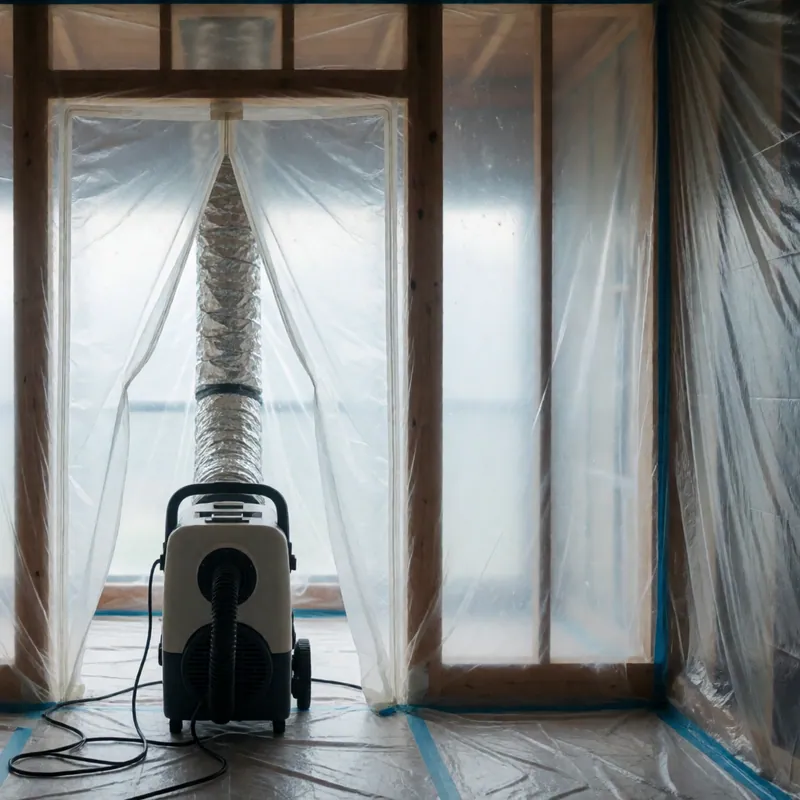
Containment, removal and cleaning to an independent assessor's plan — never to a plan we wrote ourselves.
$2,400 – $7,800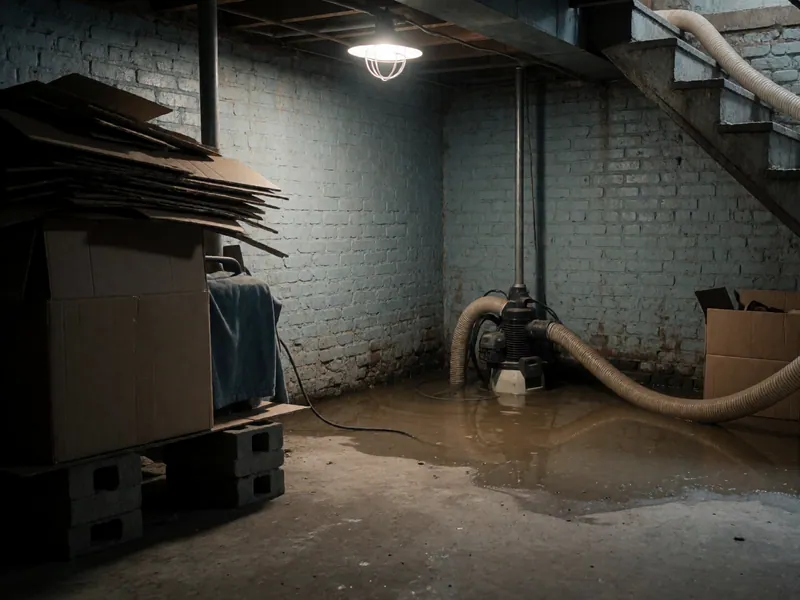
Emergency water extraction
Getting the standing water out on the first visit, because everything that follows gets cheaper the sooner it goes.
$650 – $2,800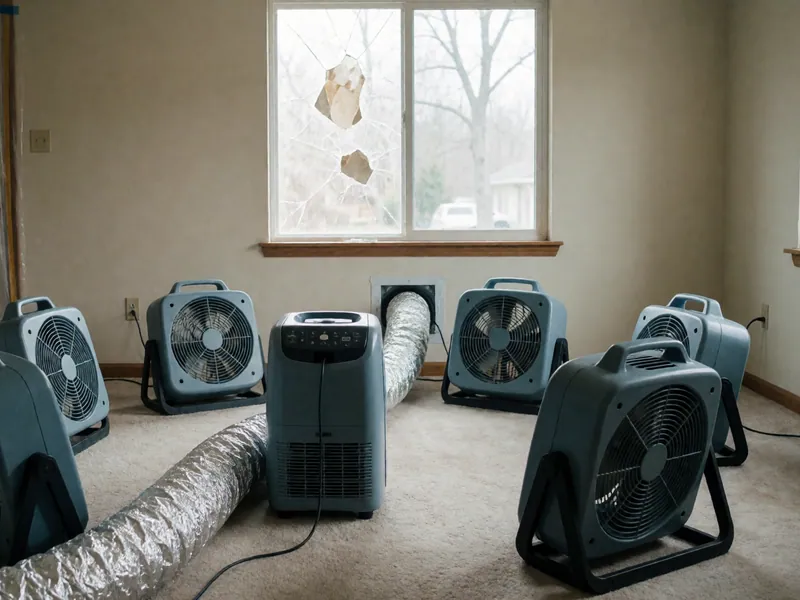
Structural drying and dehumidification
Air movers, dehumidifiers and daily readings until the materials reach dry standard — not until a promised day arrives.
$1,400 – $4,600
Contents pack-out and inventory
Everything photographed, listed and boxed before it leaves, so that what comes back is what went out.
$1,800 – $9,000Mould, and a New York law worth knowing about
We will not inspect the job we want to sell you
New York State licenses mould assessors and mould remediators separately, and Labor Law Article 32 forbids one company from doing both on the same project. It exists because of a conflict nobody can argue their way out of: if the company writing the report is the company quoting the work described in the report, then every extra square foot the report finds is revenue for its author.
We hold a remediation licence. So on your job we ask you to appoint an independent licensed assessor, we work to the plan they write, and they come back and verify our work at the end. You pay two parties instead of one, and in exchange the document that decides the size of the job was written by somebody with nothing to gain from the answer. We will still find the water for you at no charge, because finding water is not assessing mould.
Seven arguments
Things this trade does not usually say out loud
Each of these has a page that makes the case properly, a sentence in the footer of every page on this site, and a check in the build that fails if the site ever contradicts itself.
We document. Your adjuster decides.
No contractor can tell you what your policy will pay. In New York, negotiating your settlement is a licensed activity and we are not licensed for it.
Read itEmergency measures fit on one page
Nobody reads well at three in the morning, which is exactly when this trade collects its signatures. We use no assignment of benefits at all.
Read itWe will not assess what we remediate
Labor Law Article 32 forbids one company doing both on the same job. We hold the remediation licence and ask you to appoint the assessor.
Read itThe meter decides, not the calendar
Most losses dry in three to five days and we will forecast yours. A forecast is not a guarantee, and the readings decide when the equipment goes.
Read itSome of it will not be saved
Cleaning is billed whether or not it works. You get the triage in writing on day one rather than a reassurance now and a bill later.
Read itSometimes call somebody else
Fire, gas, a compromised structure, or water near live equipment are not a restoration contractor’s call. We would rather say so here than on the telephone.
Read itAnd the seventh: why we stop before cutting into a pre-1987 building
How a job runs
From the first visit to the sign-off
You ring, and a person answers
At any hour. The first thing you get is not a booking — it is two minutes of questions about whether the building is safe to be in, whether the water is still arriving, and whether the power should be off. If the right answer is to ring somebody other than us, we will tell you that first.
We come and look, at no charge
Somebody who does the work, not a salesperson. We find the source, map how far the water or smoke has travelled, and take the readings and photographs that everything after this depends on. A free visit is still a sales visit — ours included — so we write down what we found rather than only what we would like to sell.
You get the scope on one page before we start
What the emergency work is, what it costs, and where it ends. It is not an open authority to bill whatever the job turns into, and it is never an assignment of your insurance benefits.
We mitigate, and we document while we do it
Extraction, drying equipment, board-up, containment — whatever the first days need. Daily moisture readings, dated and logged, because those readings are what decide when the equipment leaves and what your insurer will want to see.
We tell you what cannot be saved
A written salvage assessment, item by item for anything significant, before we spend your money cleaning something that should be replaced. This is the conversation this trade skips.
We put it back, and the readings close the file
Reconstruction under the same contract if you want it, filed and permitted where that is required. The job ends when the materials are dry and the paperwork is with you — not when the equipment is collected.
Published
What we charge
Two things we do for nothing, two fixed fees, and a real range on every service page. The low end is a straightforward version of the job; the high end is contaminated water that sat for days across two floors. We tell you which you have after somebody has looked.
6 people, one crew
The person who quotes it is the person who does it
There is no sales department here, and in this trade that matters more than it does in most. The national franchises answer their emergency lines in a call centre that opens a file and passes it to whichever crew picks it up; the person who reassures you at midnight is not the person who arrives, and the gap between what was promised and what gets done opens up in exactly that space.
Six people. The person who scopes your job is the person who runs it, and nobody here is measured on conversion — which is the practical reason we can afford to tell you that your floor will probably flatten on its own, or that the call should be to somebody else.

Western and central Queens
Where we work
Based on 61st Street and covering 12 neighbourhoods around it. Each has a recognisable housing stock, which means each has a recognisable set of ways for water to get in.
- Woodside
- Sunnyside
- Astoria
- Jackson Heights
- Elmhurst
- Maspeth
- Long Island City
- Rego Park
- Corona
- Middle Village
- Ridgewood
- Forest Hills
Asked most often
Questions people telephone about
How quickly can you get to a water emergency in Woodside?
The telephone is answered at any hour by somebody on the crew, and for most of the neighbourhoods on our service list we are on site within the hour at night and often faster in the day. We will give you a real time on the telephone rather than a marketing one, and if we are already on a job and the honest answer is three hours, you will get that answer and a suggestion of what to do in the meantime instead of a promise that we cannot keep.
What should I do before you arrive?
If it is safe to do so: stop the water at the stopcock, turn off power to the affected area at the consumer unit, lift what you can off the wet floor, and take photographs of everything before anything is moved. Do not use a household vacuum on standing water and do not walk into a flooded basement while anything electrical in it is still live. If there is fire, gas, or any question about whether the structure is sound, ring 911 and stay out — that is not a restoration decision.
Do you work with insurance companies?
We document for them, thoroughly, and we attend the adjuster's inspection and answer whatever they ask. We do not negotiate your settlement, because in New York a contractor who negotiates a claim on your behalf is acting as a public adjuster and needs a licence from the Department of Financial Services to do it. We do not charge you anything for dealing with your insurer. If your claim needs somebody to argue it, what you want is a licensed public adjuster, and that is not us.
Will you cover my deductible?
No, and you should be wary of anybody who offers to. In New York, a contractor who absorbs your deductible and bills your insurer as though you had paid it is committing insurance fraud, and so are you if you agree to it. The Department of Financial Services has published exactly that position. An offer to make your deductible disappear is an offer to put your name on a false invoice.
Is my insurance going to cover this?
We genuinely do not know, and nor does any contractor who tells you otherwise on the doorstep. Coverage depends on your policy wording and on the cause — as a very rough guide, sudden and accidental discharge is commonly covered and long-term seepage and groundwater flooding commonly are not, but your policy decides and your adjuster applies it. What we can do is document the loss properly enough that the decision is made on facts.
How much does water damage restoration cost in Woodside, NY?
Most residential water losses we attend land between $1,800 and $9,400 for mitigation through to dry standard, and every service page on this site publishes the range that job usually falls in. Those are honest ranges rather than teaser numbers: the low end is a small clean-water loss caught early, the high end is contaminated water that sat for days across two floors. The assessment visit is free and we will tell you which end you are at once we have looked.
Somebody who does the work will come and look
Book a visit
Telephone and you will get somebody on this crew rather than a call centre, at any hour. The emergency assessment is free inside our service area and you keep the written findings whether or not you use us. If what you describe will keep until the morning, we will tell you that instead of sending a van.