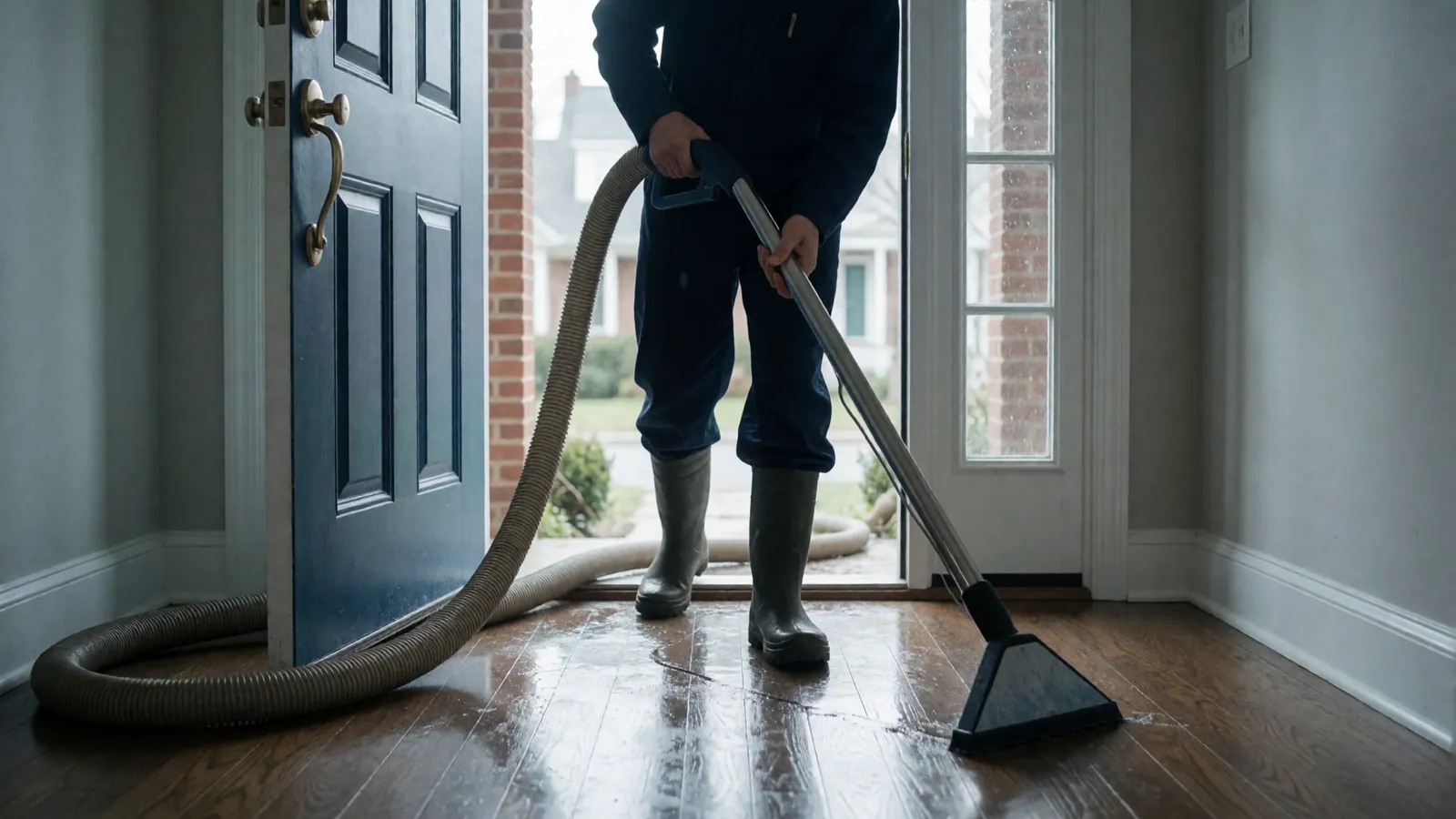
Water damage
Water damage restoration in Woodside, NY
The whole job, from the telephone call to the last moisture reading: getting the water out, drying the structure to a measured standard, and putting the building back. What follows is what actually happens, what it costs, and the parts of it that other people will not tell you.
Water damage is a clock. In the first day you are dealing with water; by the third you are dealing with what the water has started, and the difference between those two jobs is most of the money. Materials that are merely wet can usually be dried in place. The same materials left wet for a week have to come out, and everything that was sitting on them has to be dealt with too.
That is the entire reason this trade answers the telephone at three in the morning. It is not theatre. Extraction on the first night is the single cheapest hour anybody will spend on your house, and it is the hour that decides whether your floor is dried or replaced.
The three categories, and why the label matters more than the puddle
Restoration sorts water by what is in it rather than how much of it there is, and the category decides almost everything that follows. Category one is clean water from a supply line, a heater or a cistern. Category two carries meaningful contamination — a washing machine discharge, a dishwasher, an overflow from a bath somebody had been sitting in. Category three is grossly contaminated: sewage, drain backups, rising water from outside, and anything that has been standing long enough to become one of those.
Clean water does not stay clean. Sitting in a warm building against organic materials, category one degrades to category two and then to category three, and it can do the whole journey in seventy-two hours. This is why the category is assessed on the day rather than assumed from what burst — and why a job that would have been a dry-out on Monday is a strip-out by Thursday.
The practical consequence is money. In category one we dry almost everything in place. In category three, porous materials that took the water generally come out and are disposed of rather than dried, protective equipment and containment go up, and most of the cost stops being labour and starts being replacement.
What we do on the first visit
We find the source and stop it, or tell you who has to. A great many losses are still arriving when we get there, and drying a building that is still taking on water is a way of spending money slowly.
Then we map it. Water travels along the path of least resistance, not the shortest one: it runs under a floating floor to the far wall, down the outside of a stud into a bay two rooms away, and along the top of a ceiling until it finds a light fitting. What is wet is almost never what looks wet, which is why the survey uses meters and a thermal camera rather than eyes, and why we take readings in rooms you think are fine.
Then the water comes out, the affected materials are opened where they need to be opened, and the drying equipment goes in. Before any of that we photograph everything, because the photographs taken before the first air mover is switched on are the ones that matter to your insurer and they cannot be taken later.
What it costs, and what moves the number
Most residential water losses we attend land between $1,800 and $9,400 for mitigation through to dry standard. The assessment is free and the number we give you afterwards is a scope on a page rather than a figure on a doorstep.
Four things move it. Category, first and hardest — a category three job of the same size can be three times a category one, because of disposal and replacement rather than labour. Then how many rooms and how many floors the water actually reached, which is usually more than the first look suggests. Then the materials: solid hardwood and plaster are worth drying carefully, engineered board and MDF often are not. And then access — water under a fitted kitchen or beneath a stair is the difference between a straightforward dry and a small demolition.
Then the building goes back together
Mitigation and reconstruction are different jobs and you are entitled to use different people for them. We do both, under one contract if you want it, and it is usually faster that way because the people who opened the wall are the people who close it. But it is your decision and it is not a condition of us drying your house.
What we will not do is start the rebuild before the readings say the structure is dry. Closing a wall over damp timber produces a mould job in a fortnight and a second bill, and it is the single most common way a restoration goes wrong quietly.
We document your loss. We do not decide your claim. We cannot tell you what your insurer will pay, and neither can anybody else holding a moisture meter. Coverage is decided by your policy and your insurer's adjuster, not by your contractor, and a restoration company that tells you on the doorstep that you are covered is guessing with your money. What we can do is document the loss properly — photographs, moisture readings, a written scope, daily drying logs — so that whoever decides has something real to decide from. We will attend the adjuster's inspection and answer any question put to us. What we will not do is negotiate your settlement for you: in New York, a contractor who negotiates a claim on your behalf is acting as a public adjuster and must be licensed by the Department of Financial Services. We are not, so we do not, and we charge you nothing for dealing with your insurer.
Included as standard
What the job actually includes
The emergency assessment
At any hour, at no charge inside our service area, and you keep the written findings whether or not you use us.
Source identification
Finding where it is actually coming from, because drying a building that is still filling is not restoration.
Extraction and material removal
Standing water out, and only the materials that genuinely have to come out taken out.
Drying equipment and daily readings
Air movers, dehumidifiers, and a dated moisture log that decides when the equipment leaves.
Photographic and written documentation
Before, during and after, in the form your insurer will ask for — at no charge for dealing with them.
A written salvage assessment
What can be cleaned, what can be restored economically, and what should be replaced. Before we spend anything.
Reconstruction, if you want it from us
Under the same contract, permitted where required. Not a condition of the mitigation.
When to call us
Signs this is the job you need
- A stain that is bigger today than it was yesterday, or one that has gone from brown to dark
- Skirting or trim lifting away from the wall, or a floor that has begun to cup or crown
- A musty smell in a room where nothing looks wrong — smell reaches you before damp does
- Paint or wallpaper blistering low on a wall, or a bulge in a ceiling
- A tide line on a basement wall, or efflorescence powdering out of masonry
- A water bill that has moved without any change in how much water you use
Water damage restoration in Woodside, NY — what it costs
- A typical one- or two-room residential water loss, mitigation through to dry standard.$1,800 – $9,400
This is the range this job actually lands in, not a headline figure. The low end is a straightforward version of the work; the high end is one with a hard access problem, an old service, or something that has to be opened up before anybody can be certain. We tell you which one you have after we have looked, and the written quote says where the price could still move and why.
Questions we are actually asked
Water damage restoration — frequently asked
How fast do you need to get here?
Sooner is materially cheaper, and the difference is not marginal. Water that comes out on the first night usually means materials are dried in place; water left standing for several days usually means they are removed and replaced. We answer at any hour and will give you a real arrival time on the telephone.
Is water damage covered by my insurance?
That is your insurer's decision and we genuinely cannot make it for you. As a rough guide, sudden and accidental discharge is commonly covered and long-term seepage and groundwater flooding commonly are not — but your policy wording decides and your adjuster applies it. What we can do is document the loss thoroughly enough that the decision is made on facts rather than on a guess.
Do I have to move out?
Usually not for a single-room loss. Drying equipment is loud and warm and runs continuously, so people often choose to sleep elsewhere even when the house is perfectly habitable. Where a loss is category three, or where the affected area includes the only kitchen or bathroom, moving out for a few days is normally the sensible call and we will say so plainly.
Related work
Often needed alongside this
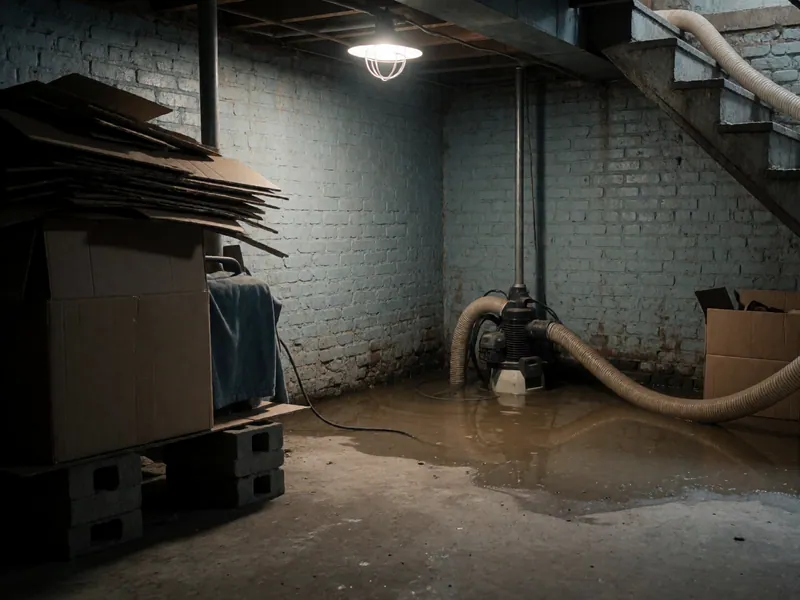
Water extraction
Getting the standing water out on the first visit, because everything that follows gets cheaper the sooner it goes.
$650 – $2,800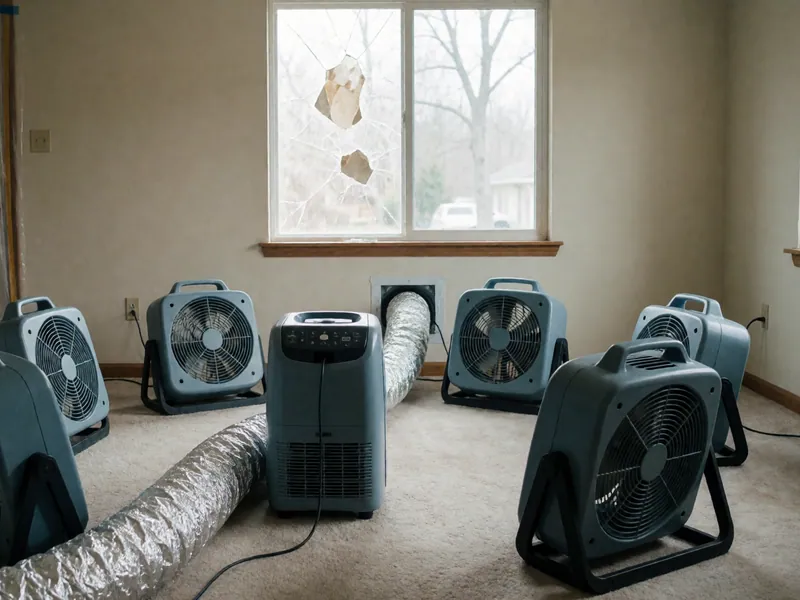
Structural drying
Air movers, dehumidifiers and daily readings until the materials reach dry standard — not until a promised day arrives.
$1,400 – $4,600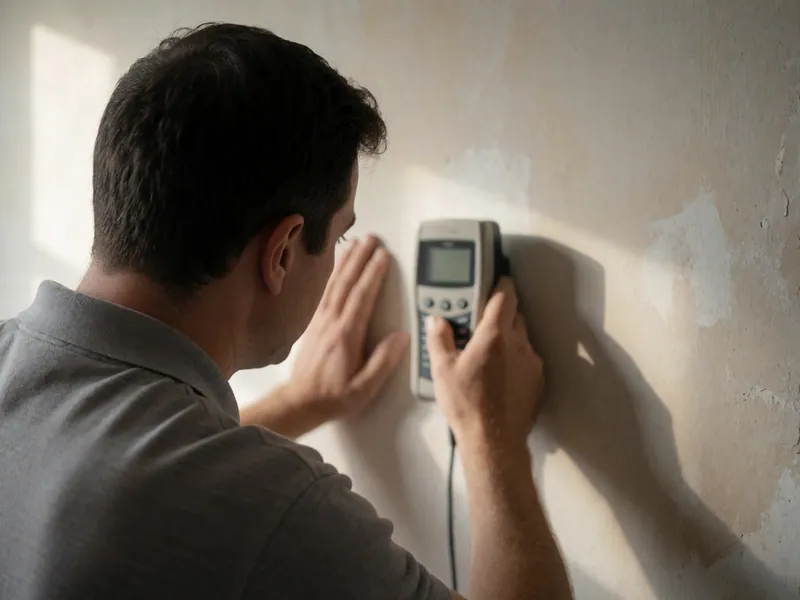
Moisture inspection
Finding where the water actually came from and how far it has travelled, in writing, before anybody quotes a repair.
$385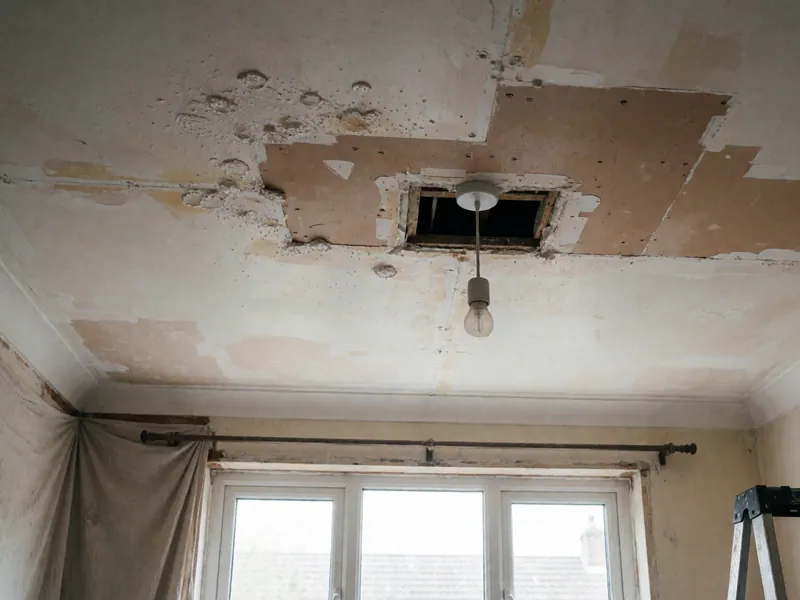
Ceiling damage
The stain spreading from the light fitting, what is above it, and how much of the ceiling actually has to come down.
$850 – $4,800Somebody who does the work will come and look
Book a visit
Telephone and you will get somebody on this crew rather than a call centre, at any hour. The emergency assessment is free inside our service area and you keep the written findings whether or not you use us. If what you describe will keep until the morning, we will tell you that instead of sending a van.