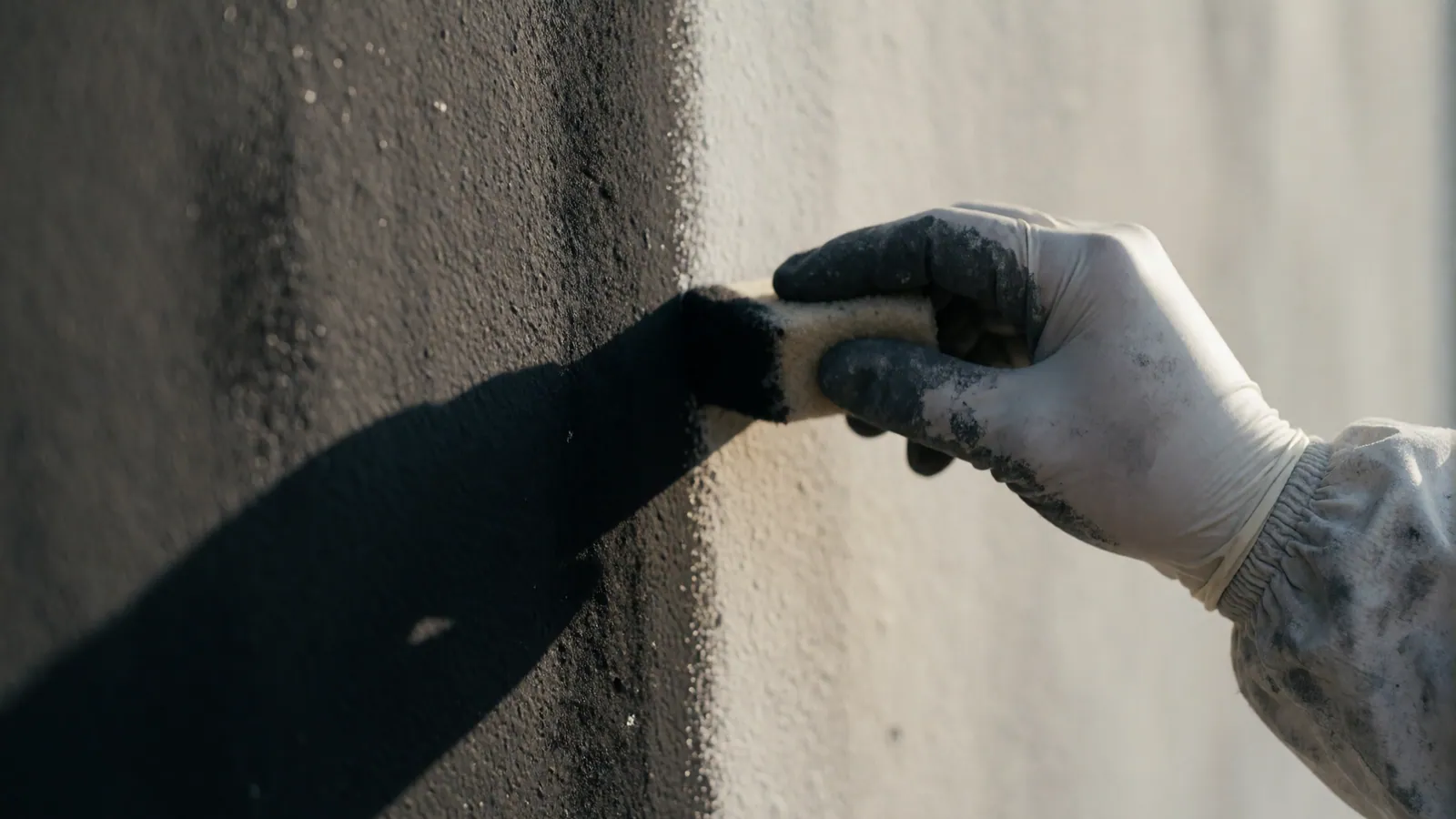
Fire, smoke & odour
Smoke and soot residue cleaning
Taking the residue off, properly and in the right order, before anybody repaints over it. Soot left in place does not sit still, which is why this is restoration rather than a cleaning chore.
Soot is acidic, and it keeps working on whatever it landed on for as long as it stays there — etching glass, tarnishing chrome, staining grout. The longer it sits, the deeper it sets into anything porous, so cost moves with time.
It is also not one substance. What a fast, dry fire leaves behaves nothing like what a slow, smouldering one leaves, and cleaning the wrong kind with the wrong method smears it in rather than lifting it off.
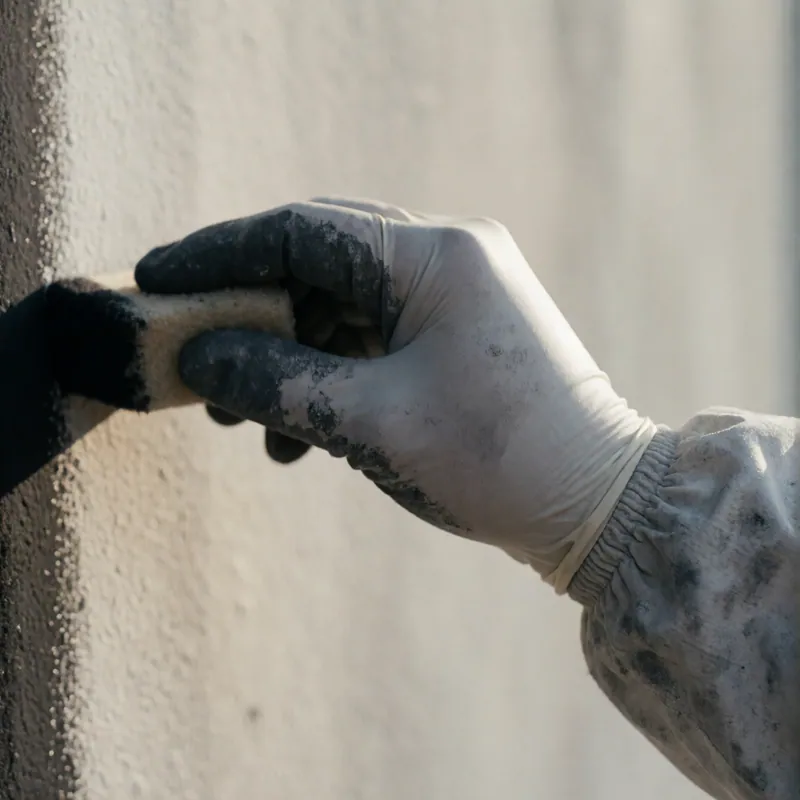
Reading the soot before touching it
Dry, fast fires leave a dry, powdery residue that lifts with a dry chemical sponge and little else. Slow, smouldering fires, and anything involving plastics, leave something stickier and greasier that smears wider under the wrong cloth instead of coming off.
So every job starts with a test patch in an inconspicuous spot rather than a method chosen in advance. Getting that decision wrong is the most common way a soot job costs more than it needed to.
Dry cleaning first, wet cleaning only where it earns its place
Loose particulate comes off first, with HEPA vacuum extraction rather than a brush that would just move it around. Dry chemical sponges follow on porous surfaces where a solvent would set a stain.
Where the residue is greasy, a solvent or emulsifying cleaner does the work instead, tested on a hidden area first. The order runs top to bottom, because gravity moves loosened particulate downward regardless.
What gets cleaned, what gets sealed, and what gets replaced
Hard, sealed surfaces — tile, glass, finished wood, most metal — generally clean completely. Unsealed drywall and porous masonry are a judgement call, and past a point of saturation the honest answer is replacement rather than another round of cleaning.
Sealing matters as much as cleaning. Paint over residue that was not actually removed and it bleeds straight back through the new coat within weeks — which is why we will not hand a room to a painter until it is clean and sealed.
Included as standard
What the job actually includes
An assessment before any cleaning starts
What burned, and which residue type, established on a test patch.
HEPA vacuum extraction and containment
Loose particulate removed before anything is wiped or ground in further.
Dry sponge cleaning where the residue allows it
For porous surfaces where a solvent would set a stain.
Solvent and emulsifying cleaning where it does not
For sticky, greasy residue a dry method would only smear.
A written note on what will not fully clean
Surfaces past the point of no return, named before we spend your money.
Sealing before reinstatement
So a repaint does not let the original residue bleed back through.
When to call us
Signs this is the job you need
- A grey or black film on walls or ceilings away from the fire itself
- Soot on windowsills or blinds in an adjoining room
- A residue on light switch plates that comes off grey on a fingertip
- A surface that feels faintly greasy or sticky rather than dusty
- Discolouration around an HVAC supply vent that was not there before
- A stain or smell bleeding back through a recent repaint
Smoke and soot residue cleaning — what it costs
- Structural cleaning by affected area, before any repainting or sealing.$3,200 – $18,000
This is the range this job actually lands in, not a headline figure. The low end is a straightforward version of the work; the high end is one with a hard access problem, an old service, or something that has to be opened up before anybody can be certain. We tell you which one you have after we have looked, and the written quote says where the price could still move and why.
Questions we are actually asked
Soot removal — frequently asked
Can I just repaint over the soot myself?
Please do not. Residue that is not actually removed bleeds straight back through a fresh coat within weeks, and by then you are paying for the paint job twice. Clean and seal first, and a painter's work will hold.
Will an ordinary household cleaner take soot off?
Sometimes, for a light, dry residue on a hard surface. For anything greasy, the wrong cleaner smears it wider, and for porous surfaces a general cleaner tends to set the residue instead. A test patch tells you which you have.
How do you decide which cleaning method to use?
By what actually burned and how the residue behaves on a test patch, not a fixed process. Dry and greasy soot need close to opposite treatments, and using the wrong one is the most common way this job gets expensive.
Related work
Often needed alongside this
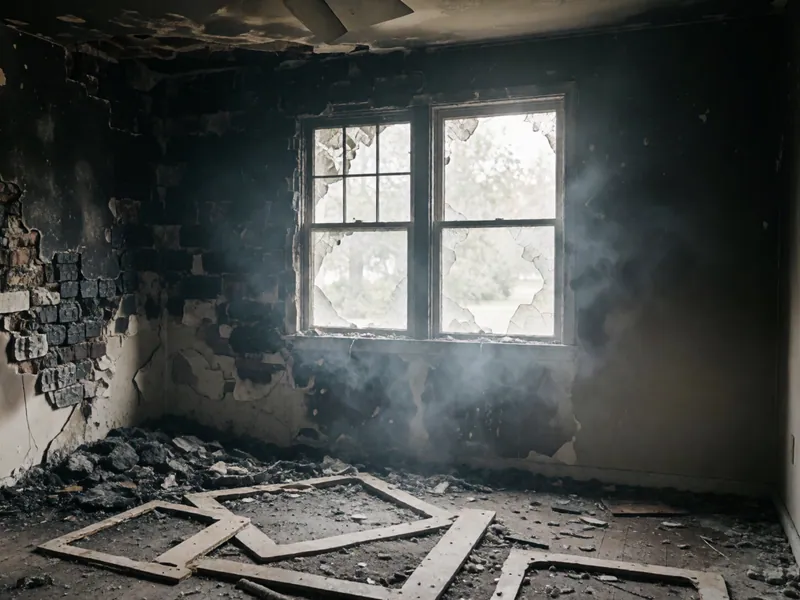
Fire damage restoration
From securing the building on the night to handing back a room you would sit down in — and what happens in between.
$6,500 – $48,000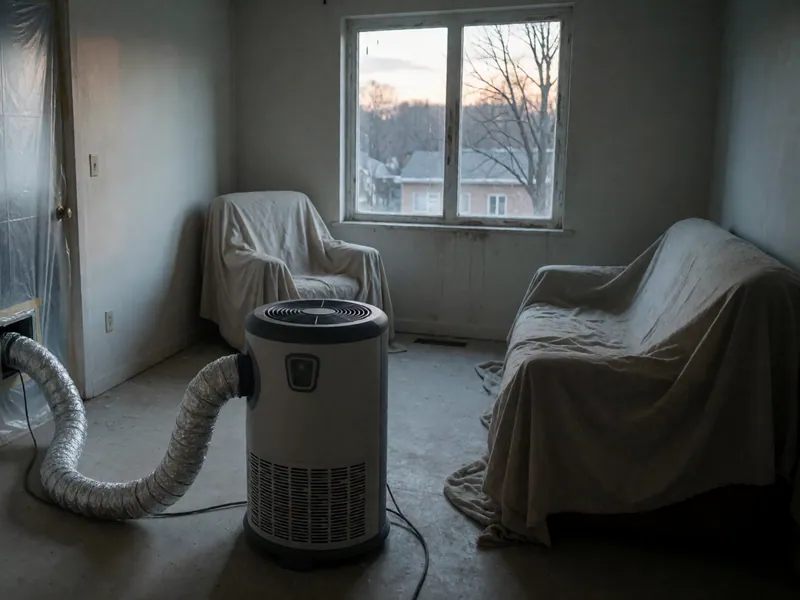
Odour removal
Getting the smell out properly, which means finding what still holds it rather than covering it over.
$1,400 – $7,600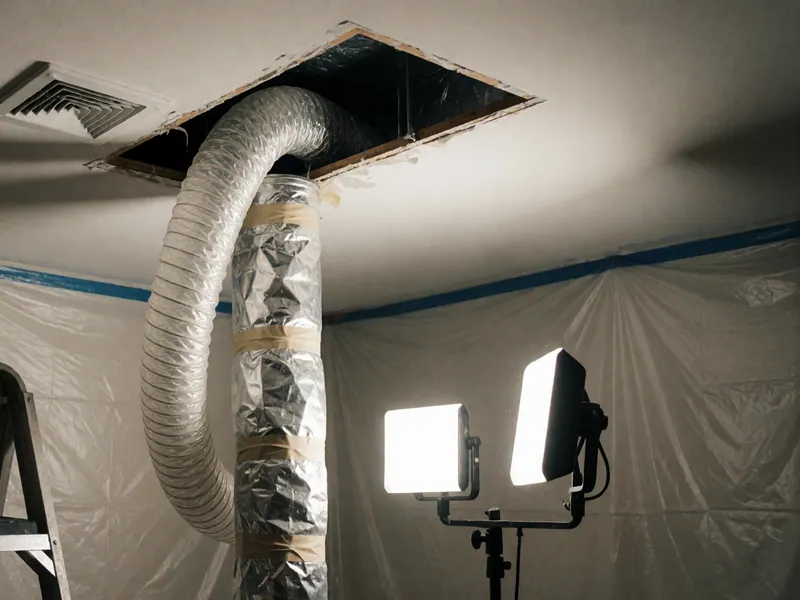
Duct cleaning
The ductwork is how soot and odour reach rooms the fire never touched, and it is the step most often skipped.
$900 – $3,800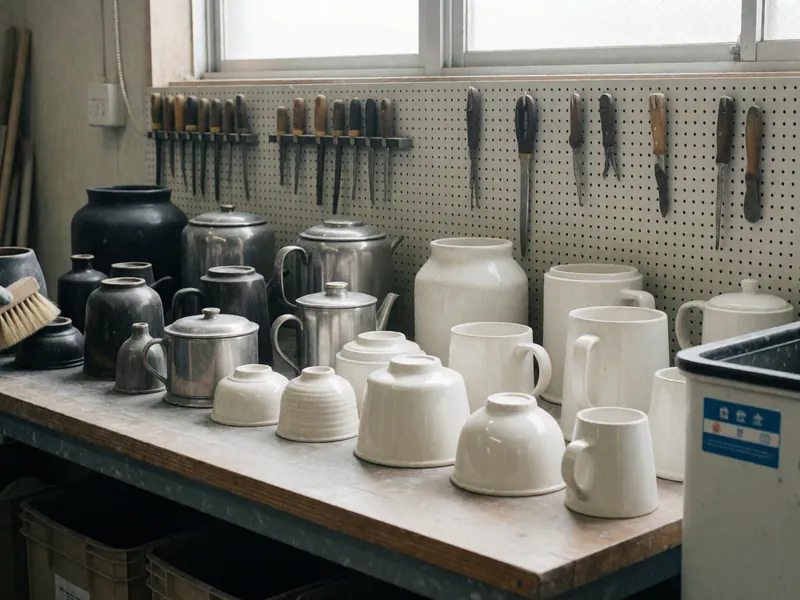
Contents cleaning
Cleaning what came out of the building, on a bench, with the ones that will not clean set aside and listed.
$1,200 – $9,000Somebody who does the work will come and look
Book a visit
Telephone and you will get somebody on this crew rather than a call centre, at any hour. The emergency assessment is free inside our service area and you keep the written findings whether or not you use us. If what you describe will keep until the morning, we will tell you that instead of sending a van.