Fire, smoke & odour
Fire damage restoration in Woodside, NY
The whole job, from securing the building on the night of the fire to handing back a room you would sit down in. What follows is what actually happens, what it costs, and the parts of it that other people will not tell you.
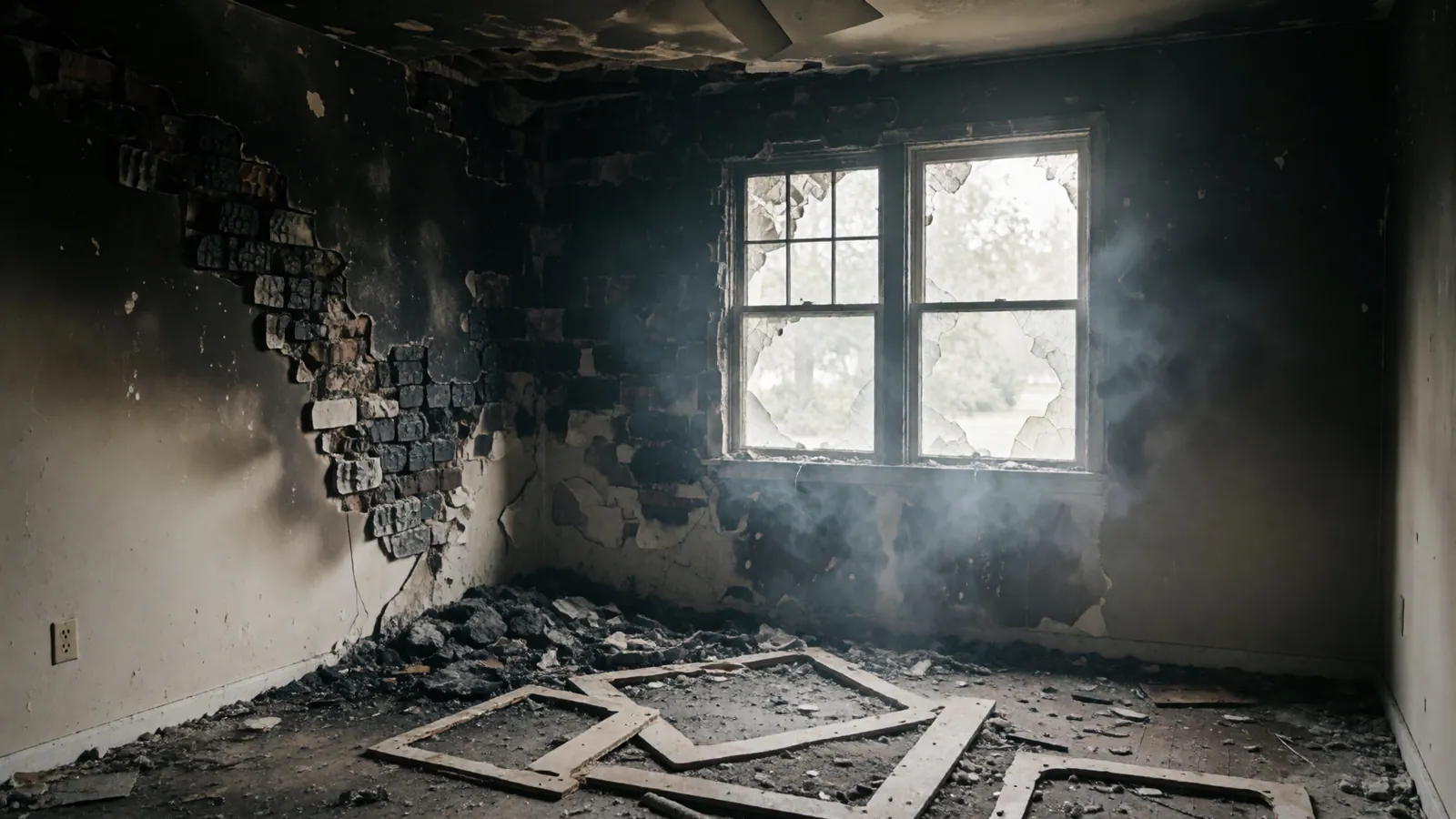
A fire is never one job. What the flame touched is usually smallest. What the heat touched is bigger. What the smoke touched is bigger again, and it travels wherever the building's air was already moving — often into rooms nobody would guess, until a windowsill two floors away wipes back grey.
None of it waits. Soot is acidic and keeps working on whatever it landed on until removed — etching glass, tarnishing chrome, staining grout — so the first days matter for reasons that have nothing to do with appearance. That is usually also the night the building needs closing up.
What the fire actually left behind, and why that decides the job
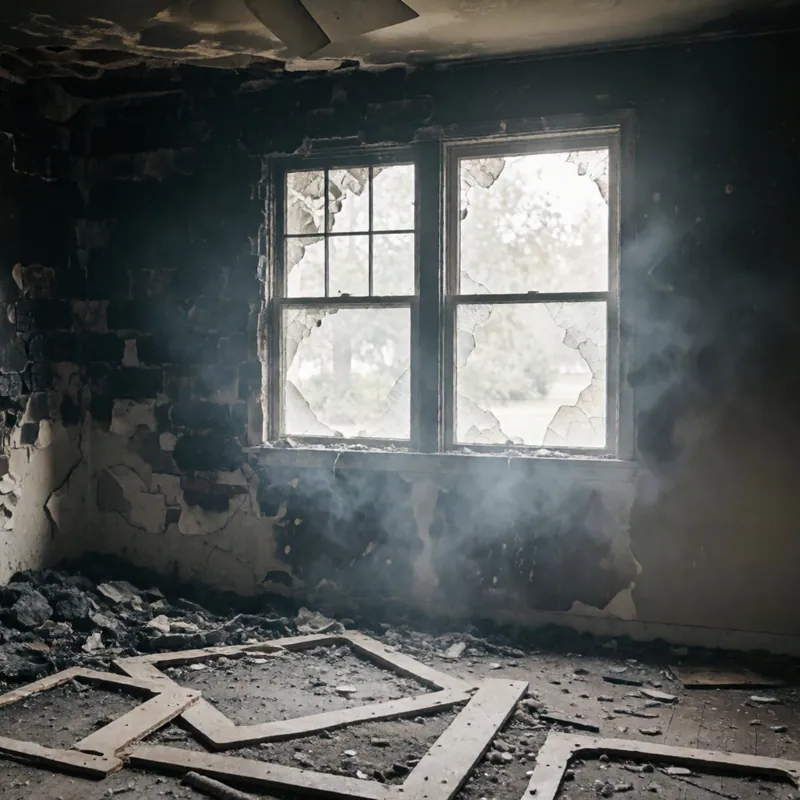
Restoration sorts fire damage by what burned, because different fuels leave different residue. A fast, dry fire leaves dry, powdery soot that a dry sponge lifts easily. A slow, smouldering fire, or one involving plastics, leaves something stickier that needs a solvent instead. Food fires leave an almost invisible amber film with an odour out of proportion to what you can see.
The visible burn is rarely where the job ends. Smoke moves with the air in the building — down a hallway, up a stair, often straight into the return grille and out through every register the system feeds. A single-room fire with the system running is not a single-room job.
The first night
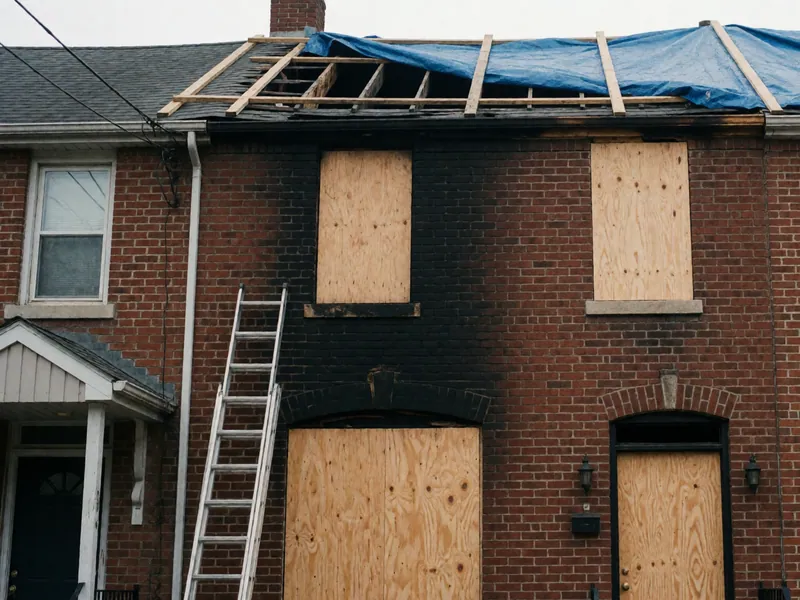
Nobody goes back into a building until the fire department releases it. Once released, the first job is making it weathertight — boarding openings, tarping a burned roof section — because an open building loses more to rain and to strangers than most people expect, and insurers generally expect reasonable steps to prevent that.
Then photographs, of everything, before anything is moved. Once debris is cleared it cannot be photographed in its original state, and that record is what your insurer's adjuster works from later.
What moves the number from $6,500 to $48,000
The range is wide because fires are. A contained kitchen fire extinguished in under a minute sits at the low end. A fire that reached a second floor, ran through the HVAC system, and required a full pack-out sits at the high end.
What moves it: how far the smoke actually travelled, mapped rather than assumed; whether the fuel was dry or greasy; whether contents need to leave the building; and, in a building put up before 1 April 1987, whether an asbestos investigation has to be filed first.
Then the building goes back together
Mitigation and reconstruction are different jobs and you are entitled to use different people for each. We do both, under one contract if you want it — usually faster, because the people who cleaned the wall are the people who close it.
What we will not do is repaint a surface that still has soot in it: residue never actually removed bleeds back through a new coat within weeks. And we will not tell you what your insurer will pay — we document the loss and attend the adjuster's inspection.
We document your loss. We do not decide your claim. We cannot tell you what your insurer will pay, and neither can anybody else holding a moisture meter. Coverage is decided by your policy and your insurer's adjuster, not by your contractor, and a restoration company that tells you on the doorstep that you are covered is guessing with your money. What we can do is document the loss properly — photographs, moisture readings, a written scope, daily drying logs — so that whoever decides has something real to decide from. We will attend the adjuster's inspection and answer any question put to us. What we will not do is negotiate your settlement for you: in New York, a contractor who negotiates a claim on your behalf is acting as a public adjuster and must be licensed by the Department of Financial Services. We are not, so we do not, and we charge you nothing for dealing with your insurer.
Included as standard
What the job actually includes
The emergency assessment
Free, at any hour, once the fire department has released the building.
Board-up and roof tarping the same night
Openings closed and a burned roof secured before weather gets in.
Extent mapped, not assumed
Where smoke travelled, including through the HVAC system, before cleaning starts.
Structural soot and smoke cleaning
Matched to what actually burned, before any repaint or reseal.
Odour treatment after the source is removed
Fogging and ozone come after cleaning, never instead of it.
A written salvage assessment for contents
What cleans, what restores, and what should be replaced. Before we spend anything.
Reconstruction, if you want it from us
Under the same contract, permitted where required. Not a condition of the mitigation.
When to call us
Signs this is the job you need
- Soot or grey film on surfaces in a room the flames never reached
- A smoky smell noticeably stronger near a supply air vent
- Discolouration around an outlet or switch plate away from the fire
- Ash or residue settled into curtains or bedding in an adjoining room
- A window or door damaged since the fire with nothing secured over it
- A recent repaint with a stain or smell already bleeding back through
Fire damage restoration in Woodside, NY — what it costs
- A contained residential fire. The range is wide because fires are.$6,500 – $48,000
This is the range this job actually lands in, not a headline figure. The low end is a straightforward version of the work; the high end is one with a hard access problem, an old service, or something that has to be opened up before anybody can be certain. We tell you which one you have after we have looked, and the written quote says where the price could still move and why.
Questions we are actually asked
Fire damage restoration — frequently asked
How fast do you need to get here after a fire?
As soon as the fire department releases the building. Soot is acidic and keeps etching whatever it landed on until removed. We answer at any hour, but will not go in before the department says it is safe to.
Is fire damage covered by my insurance?
That is your insurer's decision, not ours. Sudden, accidental fires are commonly covered; losses tied to neglect or vacancy are often treated differently. What we do is document the loss thoroughly enough that the decision is made on facts.
Do I have to move out?
Often, for a few days — where the fire reached the HVAC system, power or gas has been cut, or the only kitchen or bathroom is affected. For a small, contained kitchen fire, it is often not necessary.
Related work
Often needed alongside this
Board-up & tarping
Closing the building the same night, so that weather and strangers are not the second loss after the first one.
$650 – $2,400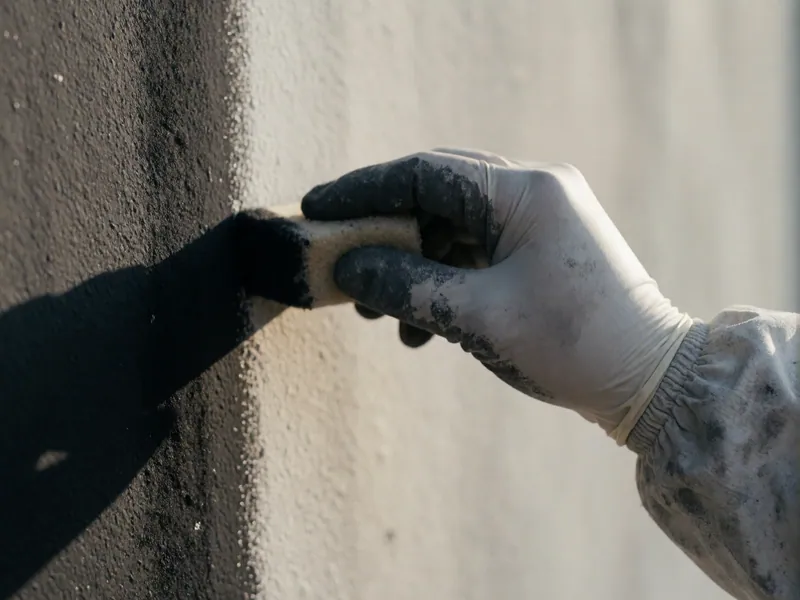
Soot removal
Soot is acidic and it keeps eating surfaces until it is taken off — which is why this is urgent and not cosmetic.
$3,200 – $18,000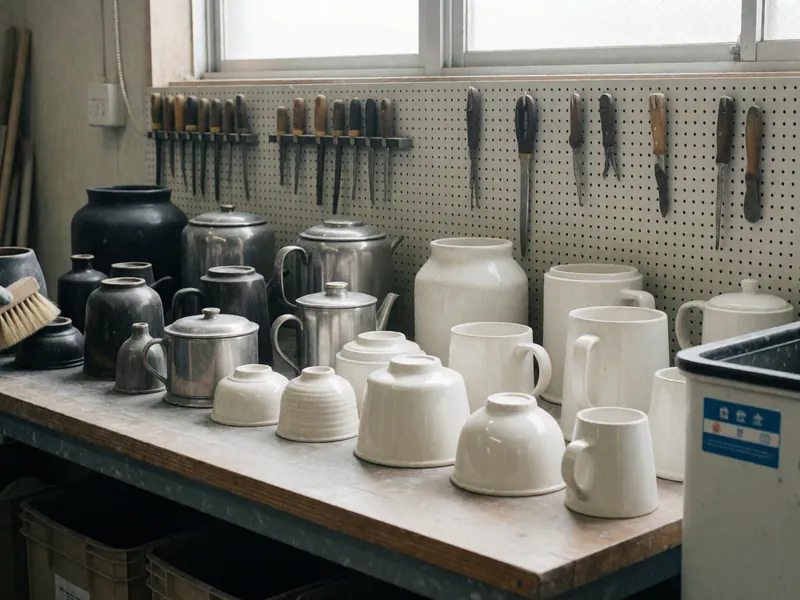
Contents cleaning
Cleaning what came out of the building, on a bench, with the ones that will not clean set aside and listed.
$1,200 – $9,000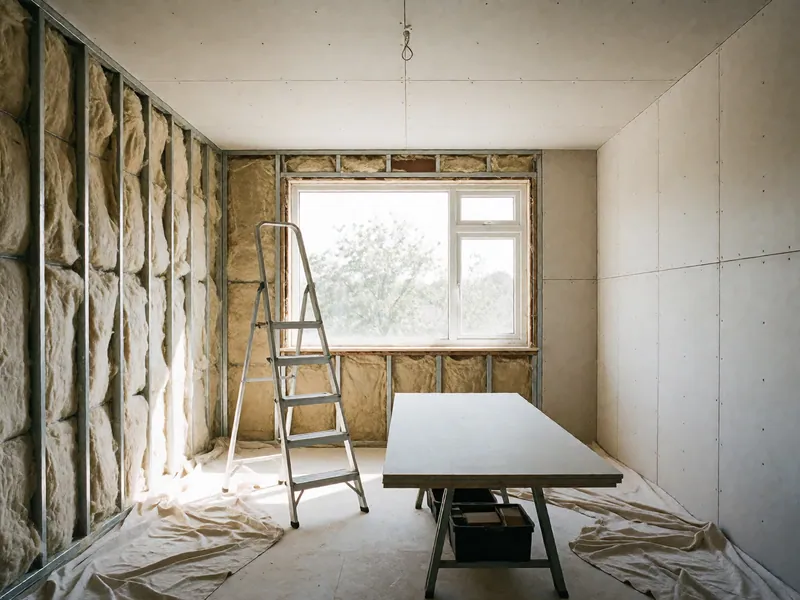
Reconstruction
Putting the building back — drywall, trim, paint, kitchens and baths — under one contract with the drying.
$12,000 – $95,000Somebody who does the work will come and look
Book a visit
Telephone and you will get somebody on this crew rather than a call centre, at any hour. The emergency assessment is free inside our service area and you keep the written findings whether or not you use us. If what you describe will keep until the morning, we will tell you that instead of sending a van.