Fire, smoke & odour
Contents cleaning and deodorising
Cleaning what came out of the building, on a bench, by material — with a written, itemised salvage assessment done first, so you decide from a list rather than find out from an invoice.
What comes out of a fire-damaged home needs different attention than the building itself. It is smaller, denser, often irregular, sometimes fragile, and sometimes worth far more to you than its replacement cost.
So the first step is not cleaning at all. It is a written, itemised salvage assessment, done before anything touches a solvent or a bench, so a decision about an object is made deliberately rather than discovered afterward on a bill.
The three piles, and why we write them down first
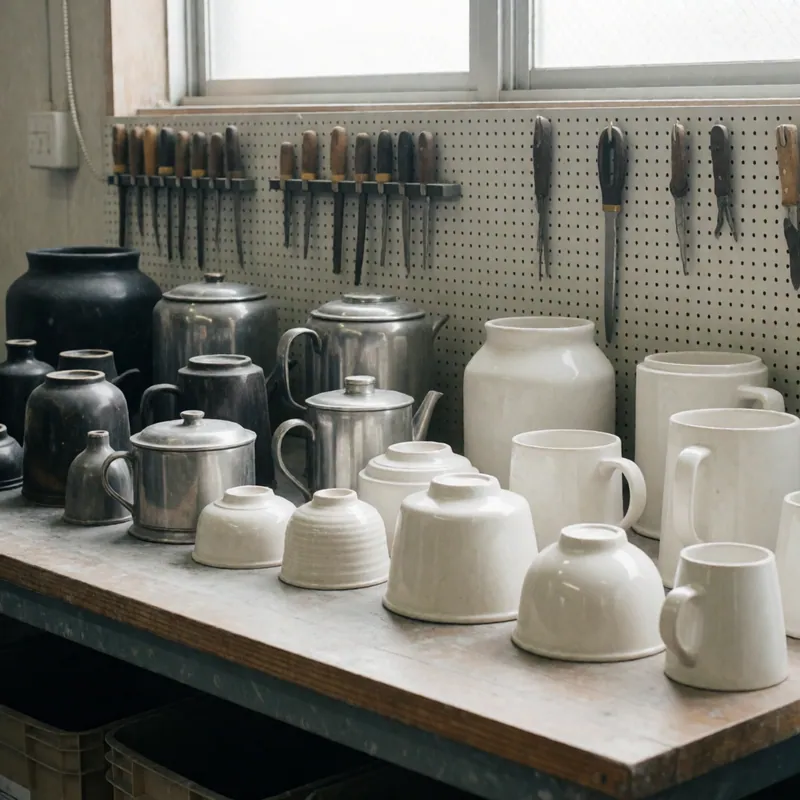
Fire and smoke sort belongings into three groups: things that clean up completely, things restorable for less than replacement, and things — heavily charred, soaked in contaminated water, heat-warped — that cost more to clean than they are worth.
Anybody who tells you everything can be saved is describing their invoice, not your belongings. We tell you which pile a thing is in before we spend your money on it, in writing, and say plainly when the honest answer is to replace it.
How the cleaning actually happens
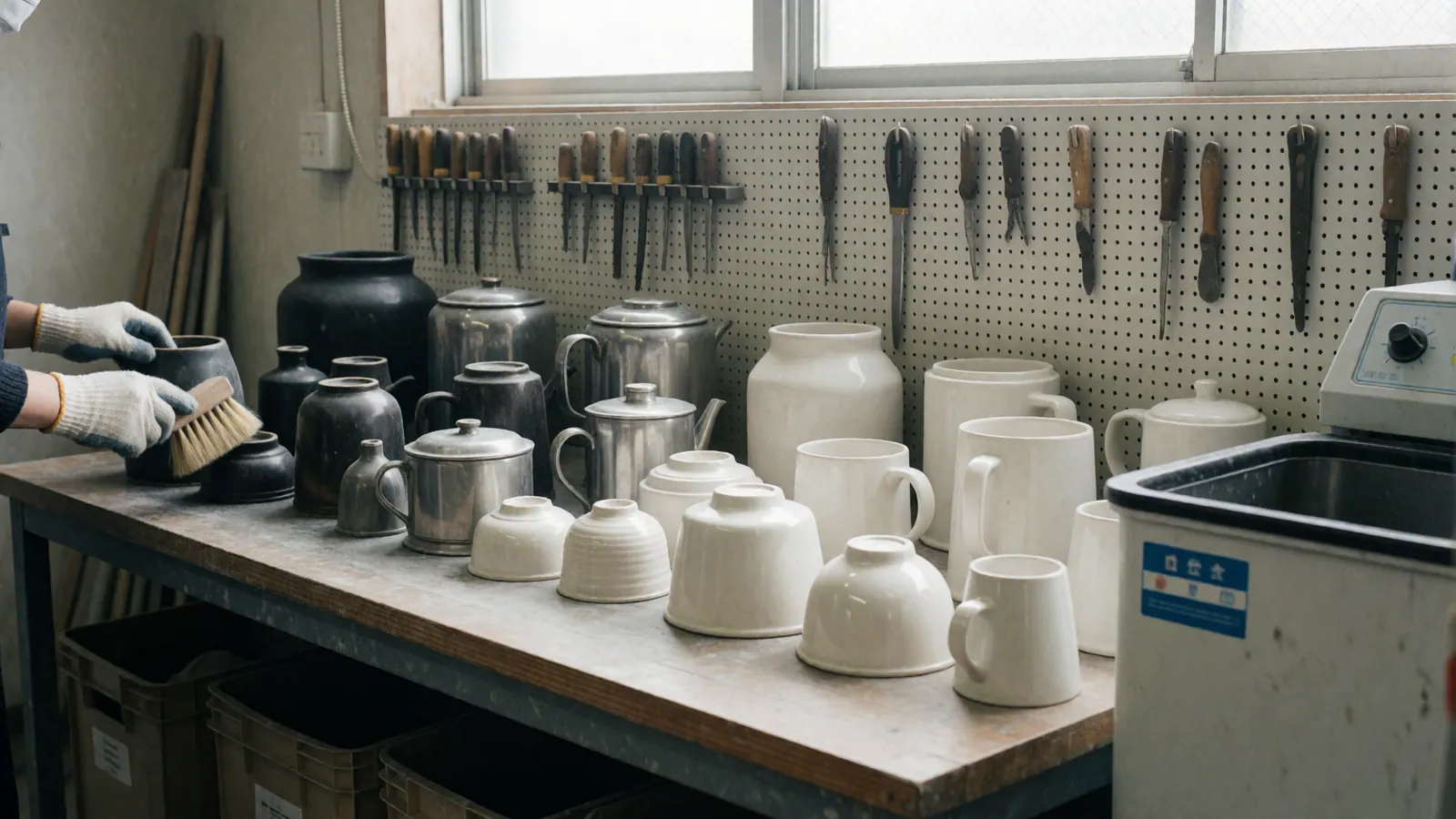
Most items are cleaned by hand at a bench, with a method matched to the material and tested first. Hard goods — glassware, ceramics, some metal — go through ultrasonic cleaning instead, where cavitation bubbles lift residue out of seams hand cleaning cannot reach.
Textiles and upholstery are routed to a specialist process rather than attempted on the same bench, and electronics go through their own assessment rather than any solvent cleaning — different materials need different people.
Deodorising is a separate step, and it happens after
An item can look visually clean and still hold odour in the material itself — wood grain, unglazed ceramic, anything fabric-covered. Cleaned items that still hold a smell go into a sealed treatment chamber, a controlled version of the tools used on the building.
We will not tell you a piece is guaranteed odour-free afterward. Some materials release what they have absorbed slowly, over more than one treatment, and we would rather say that than promise a result nobody can deliver in one pass.
Some of it will not be saved. Some of it will not be saved, and you deserve to hear that on day one rather than after the cleaning bill. Water and smoke both sort belongings into three piles: things that clean up completely, things that can be restored for less than replacing them, and things where the cleaning costs more than the object is worth or where nothing will make them safe again — porous items soaked in category-three water, most soaked mattresses and upholstered foam, some heat-warped electronics. Anyone who tells you everything is recoverable is describing their invoice, not your possessions. We will tell you which pile a thing is in before we spend your money on it, and we will tell you when the honest answer is to replace it.
Included as standard
What the job actually includes
A written itemised salvage assessment first
What cleans, what restores, and what should be replaced — before anything is touched.
Bench cleaning matched to the material
Method and solvent chosen and tested per item.
Ultrasonic cleaning for hard goods
Glassware, ceramics and similar items, reached in seams a cloth cannot.
A controlled deodorising chamber
For cleaned items that still hold odour in the material itself.
Photographs of each item's condition
Before and after, matched to the inventory you keep a copy of.
Referral for textiles and electronics
Routed to the specialist process each needs.
A copy of the list, whichever pile a thing lands in
So the decision is yours to see, not something found out later.
When to call us
Signs this is the job you need
- Soot visible in the grain of wood furniture even after wiping down
- A smoky smell that persists in an object after the room is clean
- A greasy film on the hard surfaces of kitchenware or decor
- Heat discolouration on plastic housings or on electronics
- Ash residue settled into the seams of upholstery
- Boxed items from a pack-out not yet assessed or listed
Contents cleaning and deodorising — what it costs
- By volume handled. The written salvage assessment is included and comes first.$1,200 – $9,000
This is the range this job actually lands in, not a headline figure. The low end is a straightforward version of the work; the high end is one with a hard access problem, an old service, or something that has to be opened up before anybody can be certain. We tell you which one you have after we have looked, and the written quote says where the price could still move and why.
Questions we are actually asked
Contents cleaning — frequently asked
Can everything be cleaned?
No, and we would rather say that on day one than after a cleaning bill. Some items clean up completely, some are worth restoring, and some are honestly better replaced. You get that in writing before we spend anything.
What is ultrasonic cleaning, and is it safe for delicate items?
It is cleaning by cavitation — tiny bubbles collapsing against a submerged item and lifting residue out of seams a cloth cannot reach. It suits hard goods well. For anything already fragile, we test or exclude it rather than risk the item.
Do I get my things back if you decide something cannot be saved?
Yes. Nothing is discarded without you seeing it on the list first. You keep a copy of the full inventory, and any item marked for replacement stays yours to collect, keep or dispose of as you choose.
Related work
Often needed alongside this
Pack-out & inventory
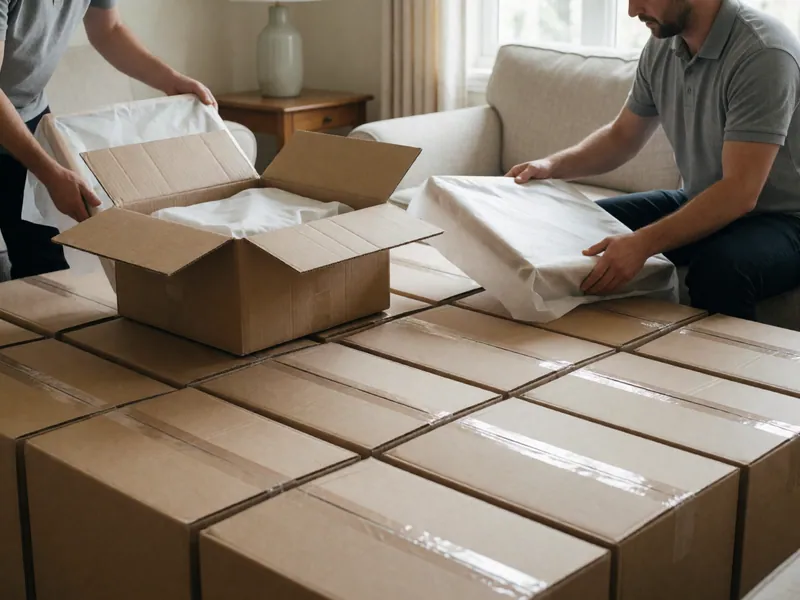
Everything photographed, listed and boxed before it leaves, so that what comes back is what went out.
$1,800 – $9,000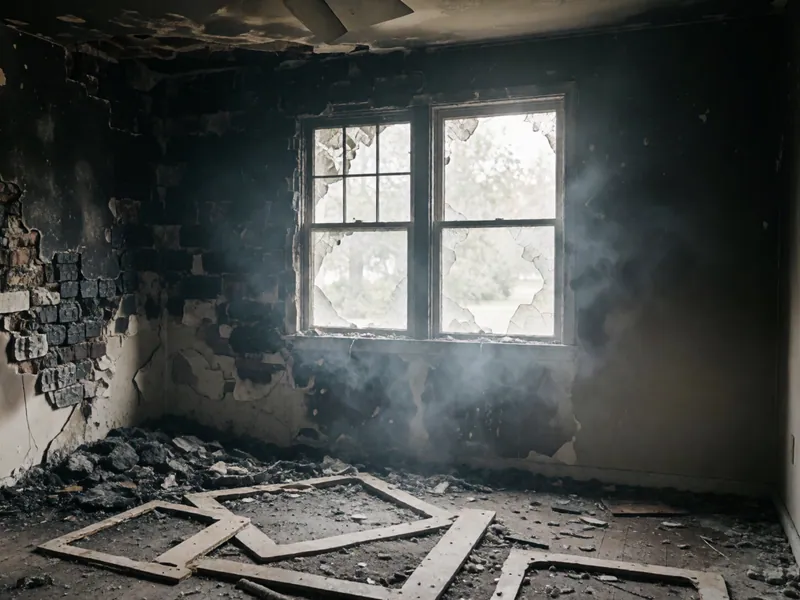
Fire damage restoration
From securing the building on the night to handing back a room you would sit down in — and what happens in between.
$6,500 – $48,000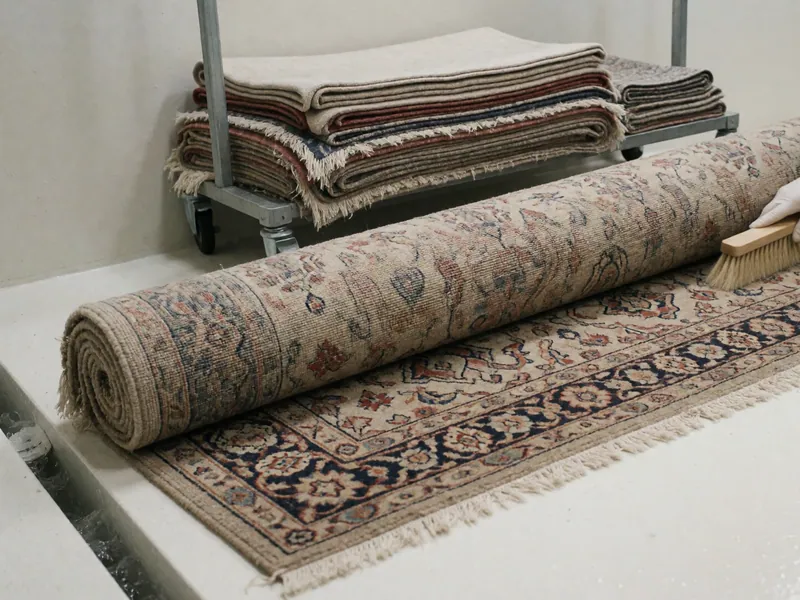
Textiles & rugs
Off-site washing for the pieces worth washing, and a straight answer about the ones that are not.
$180 – $2,400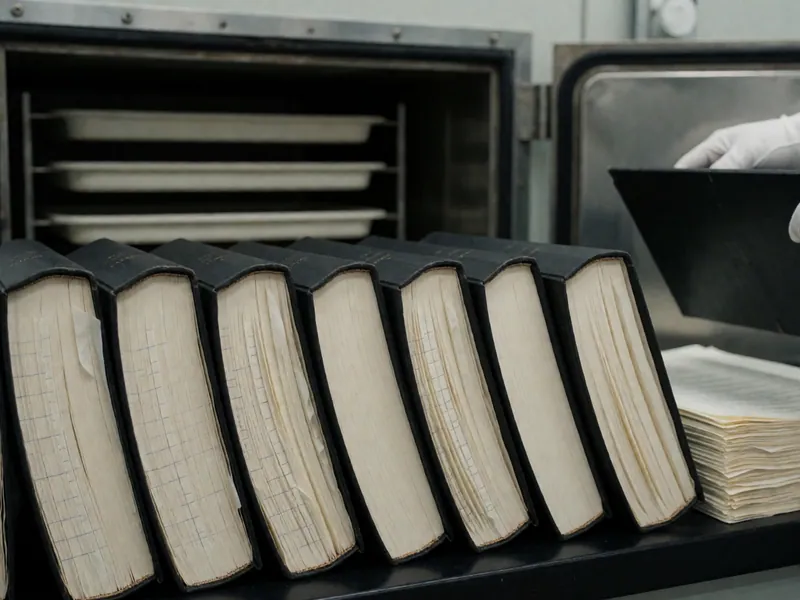
Documents & electronics
Wet paper and soaked equipment are both time-critical and both often recoverable — for a while.
$600 – $7,500Somebody who does the work will come and look
Book a visit
Telephone and you will get somebody on this crew rather than a call centre, at any hour. The emergency assessment is free inside our service area and you keep the written findings whether or not you use us. If what you describe will keep until the morning, we will tell you that instead of sending a van.