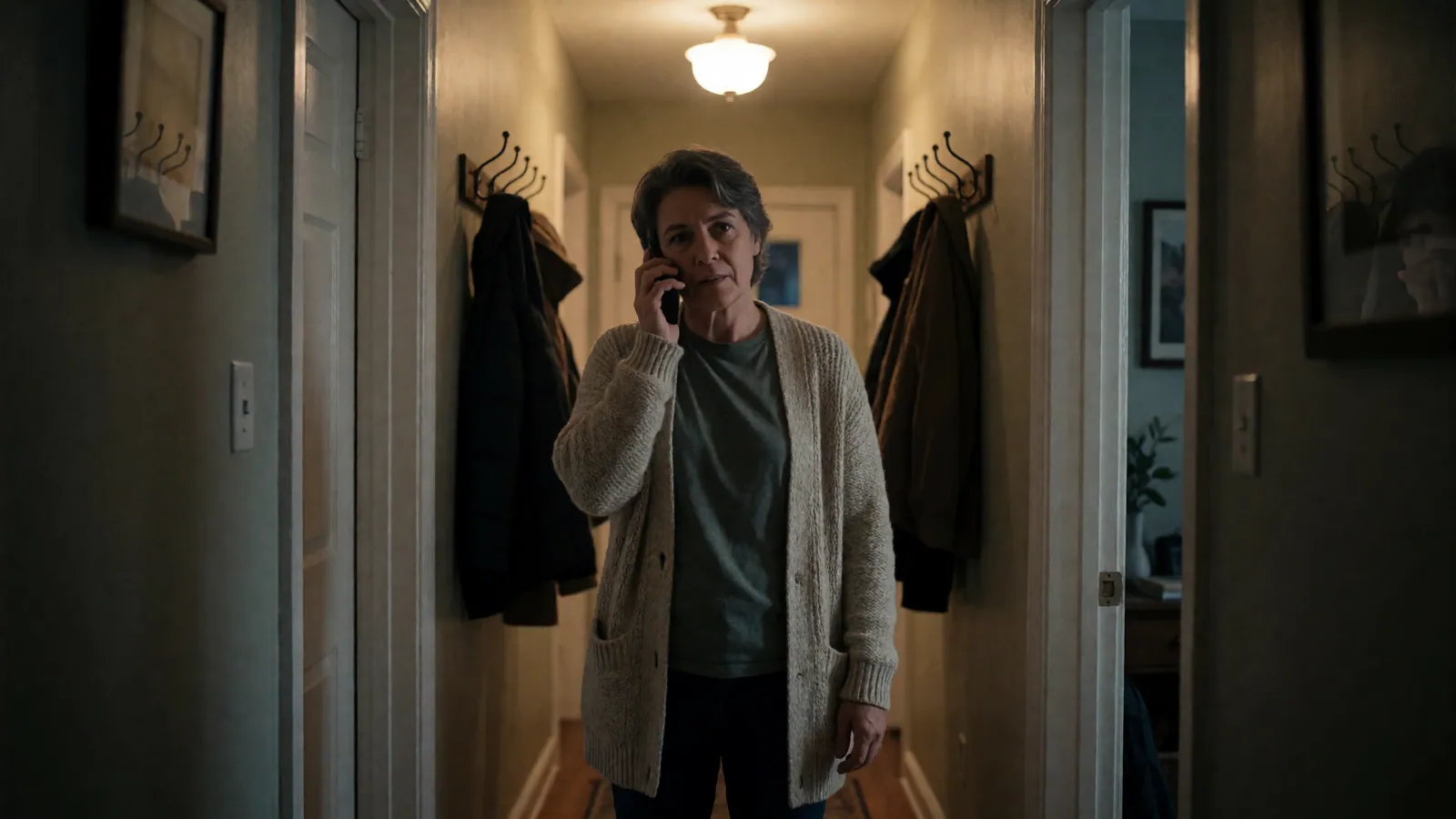
The worst possible conditions for entering a contract
What you are signing
Nobody reads well at three in the morning with a wet floor behind them, and this trade collects its signatures at three in the morning. Here is what each document actually does, in the order you are likely to be handed them.
Emergency measures fit on one page. The paper we ask you to sign in the first hour authorises emergency work only — extraction, drying equipment, board-up — with the scope and the rate on the same page, and it ends when the emergency does. It is not an open-ended authority to bill whatever the job becomes, and it is not an assignment of your insurance benefits. We do not use assignment-of-benefits agreements at all. If somebody hands you a form at midnight that signs your claim over to them, or that authorises unspecified work at unspecified prices, do not sign it — not ours, and not anybody's. Read it in the morning. Anything that genuinely cannot wait until morning is an emergency measure that fits on one page.
Why the paperwork happens then at all
It is worth saying clearly that there is a legitimate reason for asking you to sign something during an emergency. Extraction on the first night is the single most valuable hour anybody will spend on your house, and no contractor can start pulling water out of your floor on a verbal understanding. Something has to exist that says what is being done and what it costs.
The abuse is not that a document exists. The abuse is what gets put into it while you are in no condition to read it, and how far past the emergency it reaches.
The three documents, and what each one does
A work authorisation lets emergency mitigation begin. An honest one names the measures — extraction, drying equipment, board-up, containment — states a rate, and ends when the emergency measures end. A dishonest one authorises "all necessary work" at "prevailing rates", which is a signature on a blank cheque written in a language you do not speak.
A scope of works is the actual contract for the actual job, and it belongs to daylight. It should list what will be done, what it costs, what has been excluded, and where the price could move. If somebody wants that signed tonight, ask why tonight.
An assignment of benefits is a different animal entirely. It does not authorise work; it transfers your rights under your insurance policy to the contractor. From that point the insurer pays them and negotiates with them, and the homeowner — whose house it is — becomes a spectator in a conversation about their own claim. We do not use them. If one is put in front of you at midnight, that is the moment to stop reading and start asking who benefits.
Four things that should stop you signing
A signature page that is not physically attached to the terms it agrees to. A blank space anywhere in the document, including one somebody promises to fill in later. Any phrase along the lines of "all necessary and related work" without a scope or a price. And urgency about the paperwork rather than about the water — a contractor genuinely worried about your house wants to start extracting, not to finish the forms.
If any of those is present, the answer is the same and it is not rude: I will read this in the morning. Do the emergency work under a one-page authorisation and we will talk about the rest when it is light. Anybody who will not accept that has told you what they are.
Our own emergency form
What it says, so you can compare it with anybody else's
It names the measures
Extraction, drying equipment, board-up, containment — whichever of those the situation actually needs, listed rather than implied.
It states the rate
The after-hours mobilisation figure and the equipment rate, on the same page as the signature, and said aloud on the telephone before we set off.
It ends when the emergency does
It is not authority to bill whatever the job becomes. Reconstruction is a separate contract you get to read in daylight.
It assigns nothing
It is not an assignment of benefits, it does not direct your insurer to pay us, and it does not make us a party to your claim.
It fits on one page
Because anything that genuinely cannot wait until morning is an emergency measure, and emergency measures fit on one page.
Questions people actually ask
Paperwork — frequently asked
What is a work authorisation?
It is the contract that lets a restoration company start emergency work before a full scope exists. That is a legitimate document and it has to exist, because extraction genuinely cannot wait for a quotation cycle. What makes one honest is that it names the work, names the rate, and ends when the emergency does.
What is an assignment of benefits?
A separate document that transfers your rights under your insurance policy to the contractor, so that the insurer pays them directly and deals with them rather than with you. New York courts recognise assignments in property claims, and the Department of Financial Services has flagged aggressive use of them as a concern. We do not use them, and we would encourage you to be extremely reluctant about signing one at any hour, let alone at midnight.
Is it normal to be asked to sign at three in the morning?
Signing something is normal. Signing an open-ended something is not. If the paper in front of you specifies emergency measures, a rate and an end point, that is the trade working properly. If it authorises unspecified work at unspecified prices, or hands over your claim, it is the trade working on you.
Can I take it away and read it?
Yes, and anyone who tells you otherwise is telling you something important about themselves. Emergency mitigation can begin under a one-page authorisation for exactly that reason. Everything beyond the emergency can wait for morning, daylight, and somebody else's eyes.
What if I have already signed something?
Ask for a complete copy of everything you signed, including the terms attached to the signature page, and read it in daylight. Many agreements have cancellation provisions, particularly consumer home-improvement contracts in New York. If it is an assignment of benefits and you regret it, that is a question for a lawyer rather than for us, and we will say so rather than guess.
What does your own authorisation say?
That we will carry out named emergency measures — extraction, drying equipment, board-up, containment — at a stated rate, that it ends when the emergency measures end, that it is not an assignment of any insurance benefit, and that anything beyond it needs a separate written scope you will have time to read. It is one page and we will read it to you over the telephone before we arrive if you want.
Read it to us first
Somebody has handed you a form
Telephone and read it out. We will tell you what it does, whether it assigns your benefits, and whether it can wait until the morning — including when the honest answer is that the company in your hallway is fine and you should let them start.