Mould & indoor air
Crawlspace and attic mould
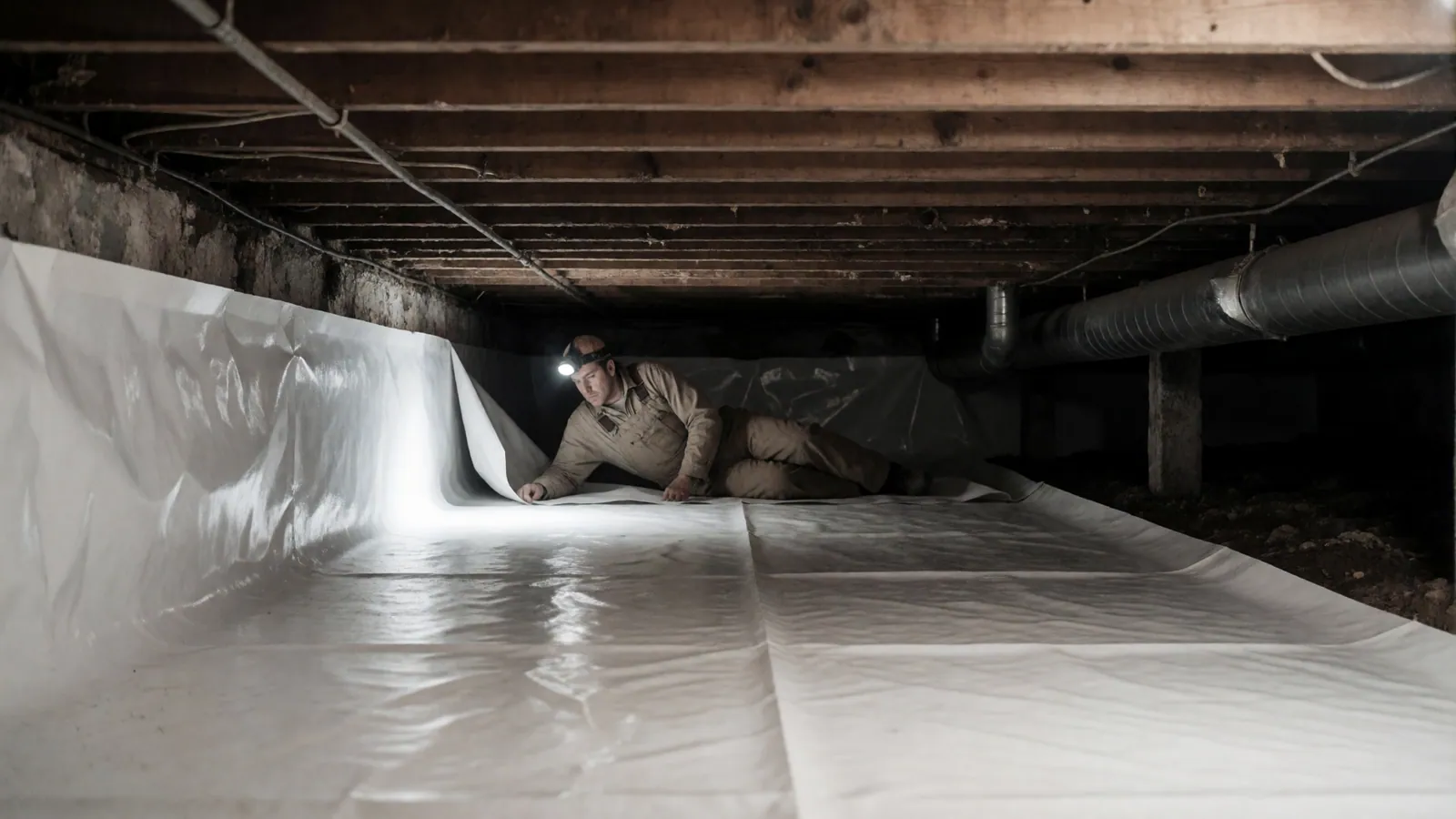
The two spaces in a house nobody visits, and the two spaces where an ordinary ventilation problem is left long enough to become a remediation job. Cleaning either without correcting why it stayed damp is a job you pay for twice.
A crawlspace and an attic fail for opposite reasons that produce the same result. A crawlspace sits over exposed ground giving off moisture continuously; an attic collects warm, wet air rising from the living space below. Both are cool, still and rarely looked at — exactly the combination growth needs.
The same rule applies here as everywhere else on this site: we work to an independent assessor's written plan rather than deciding for ourselves how much needs doing. A crawlspace or attic is harder to inspect casually than a living room, which makes that separation more useful, not less.
Why it is almost never just a cleaning job
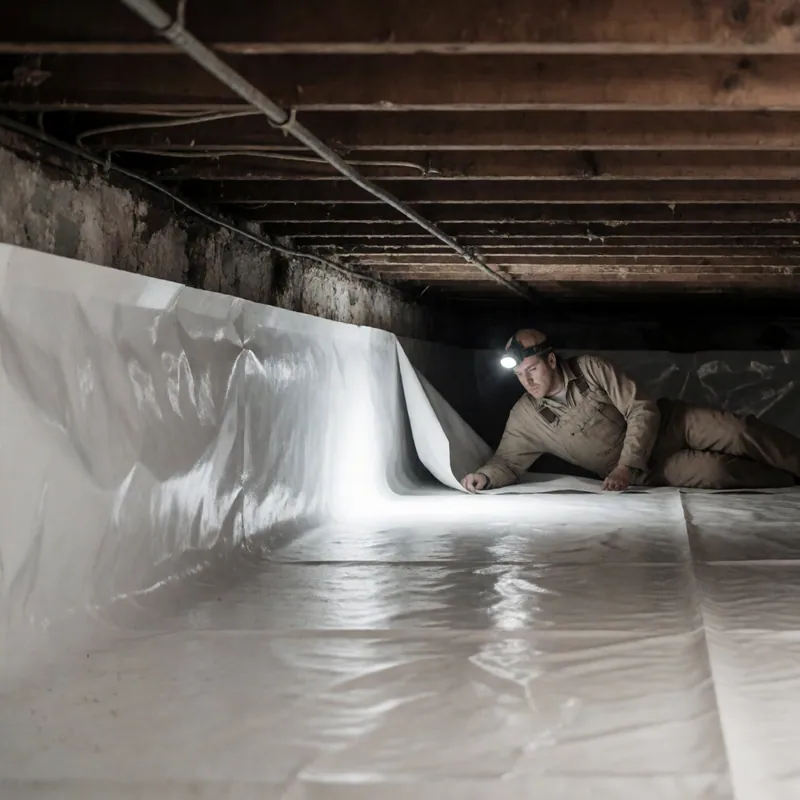
Growth in either space is nearly always a symptom of ventilation or vapour movement rather than a standalone cleaning problem, and cleaning it without correcting the source guarantees a return visit. We would rather say that before the job starts than have you discover it a year later.
So every job here includes finding and naming the actual cause, in writing, alongside the cleaning — because a plan that only addresses the growth is not a finished plan, whoever wrote it.
Two spaces, two different causes
In a crawlspace, the usual culprit is exposed ground with no vapour barrier, sometimes paired with a foundation vent closed for winter and never reopened. The correction is a sealed vapour barrier and the vent set correctly, included in the price rather than sold as an extra once we are inside.
In an attic, the usual culprit is a bathroom or kitchen extract fan whose duct ends in the insulation instead of outside — common in this housing stock and rarely noticed. The fix is rerouting the duct outside and checking the ridge and soffit venting can actually move air.
What happens inside the space
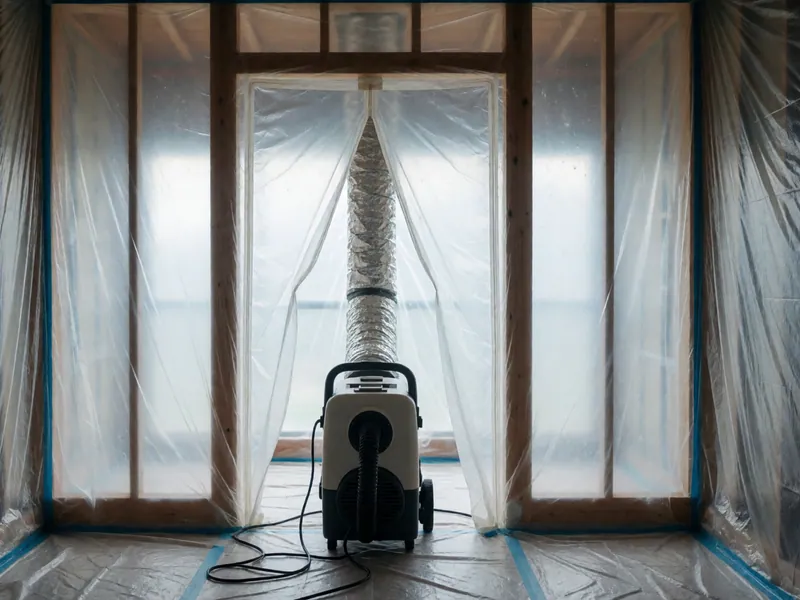
The method is the same as any contained area, fitted to a space you often cannot stand up in: containment where geometry allows it, HEPA-filtered negative air, removal of affected insulation and framing the plan calls for, then HEPA vacuuming and damp-wiping, then antimicrobial to the cleaned surfaces last.
Confined-space safety comes first, always — lighting, air movement and a second person on site before anybody works in a tight roof void or crawls under a floor. The space that makes a job hard to inspect afterward is the same space that makes it dangerous to rush.
Nobody here is a doctor. Nobody here is a doctor, and nothing on this website is medical advice. We will not tell you that mould in your home has made you ill, that it has not, or what any symptom means — those are questions for your physician, and a contractor who answers them is selling something. What we can tell you is what we can measure: where the water is, how far it has travelled, what is growing and over how large an area. If you are worried about your health, ring your doctor first and us second.
Included as standard
What the job actually includes
Confined-space access set up first
Lighting, ventilation and a second person, before anyone enters.
Containment and negative air, sized to the space
The same method as any contained area, adapted to a low one.
Affected insulation and framing addressed
Removed or cleaned to the assessor's plan, not left for being hard to reach.
The moisture source found and named in writing
Ground vapour, a closed vent, or a duct ending in the insulation — identified, not assumed.
A vapour barrier or ventilation correction
Included in the price, because leaving the cause guarantees a repeat visit.
Antimicrobial to cleaned surfaces, last
After removal and cleaning, never instead of either.
Photographs for your assessor's clearance visit
A confined space is hard to re-inspect, so the record has to be right first time.
When to call us
Signs this is the job you need
- A musty smell noticeable at a hatch or access panel before it is even opened
- Visible condensation on the underside of roof sheathing in cold weather
- An extract fan duct in the attic that ends in the insulation rather than outside
- Insulation that is compressed, discoloured or damp to the touch in a crawlspace
- No vapour barrier at all over exposed ground in a crawlspace
- Growth on framing found only because something else nearby was being repaired
Crawlspace and attic mould — what it costs
- Includes the vapour barrier or ventilation correction, without which it returns.$1,800 – $6,400
This is the range this job actually lands in, not a headline figure. The low end is a straightforward version of the work; the high end is one with a hard access problem, an old service, or something that has to be opened up before anybody can be certain. We tell you which one you have after we have looked, and the written quote says where the price could still move and why.
Questions we are actually asked
Crawlspace & attic — frequently asked
Why does the fan matter more than the cleaning?
Because an extract fan discharging into an attic instead of outside pumps warm, wet air into the coldest space in the building, every day it runs. Clean the growth without correcting that and it returns.
Can you just apply a treatment and skip the vapour barrier?
Not honestly, no. Exposed ground with no vapour barrier keeps producing the humidity that fed the growth, and a treatment applied over that is treating today's surface while tomorrow's is already forming underneath it.
Is mould in my attic making my house unhealthy?
That is a question for your physician, not us — nobody here is medically qualified. What we can tell you is what we can measure: how much is growing, over what area, and what is feeding it.
Related work
Often needed alongside this
Mould remediation
Containment, removal and cleaning to an independent assessor's plan — never to a plan we wrote ourselves.
$2,400 – $7,800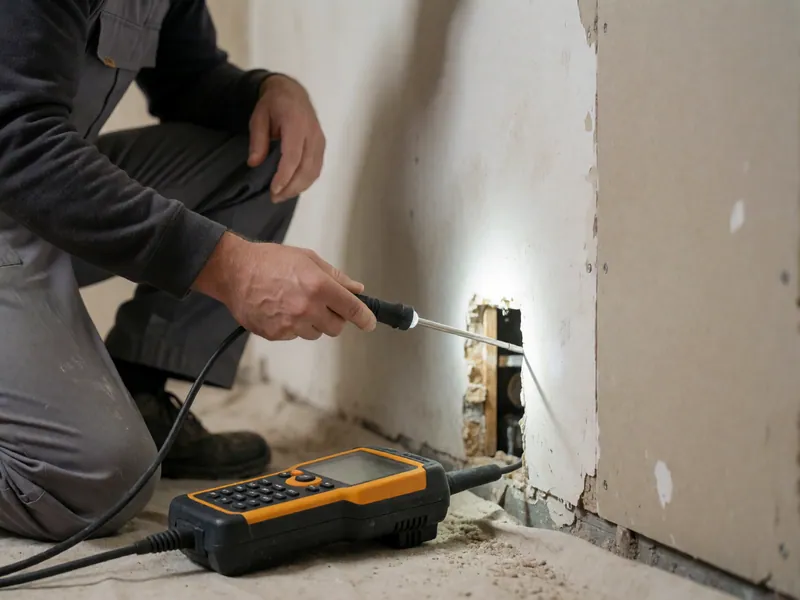
Finding the water
Mould is a symptom. If the water is still arriving, remediation is a very expensive way of waiting.
No charge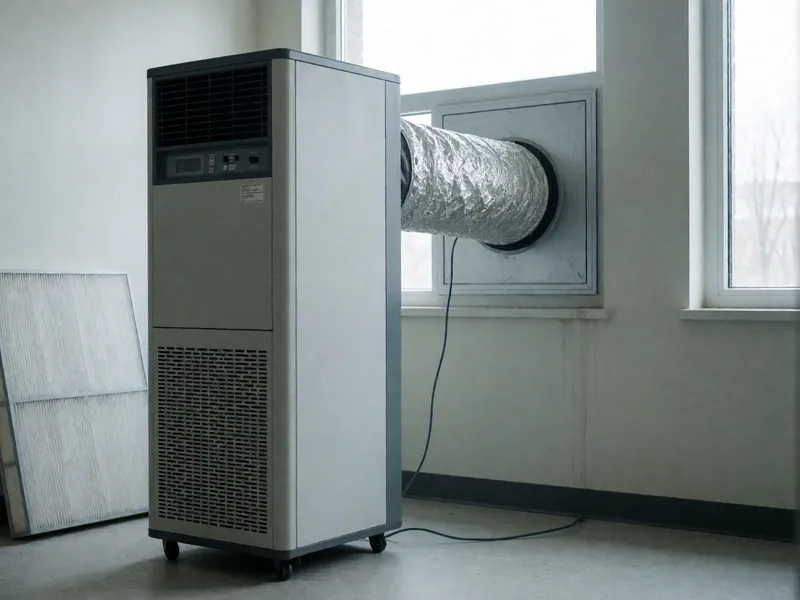
Air scrubbing
Negative air and filtration that keep the work zone's problems inside the work zone.
$180 – $340
Basement flooding
Pumping out, drying down, and the honest conversation about why it filled up in the first place.
$2,200 – $9,500Somebody who does the work will come and look
Book a visit
Telephone and you will get somebody on this crew rather than a call centre, at any hour. The emergency assessment is free inside our service area and you keep the written findings whether or not you use us. If what you describe will keep until the morning, we will tell you that instead of sending a van.