Fire, smoke & odour
HVAC and duct cleaning after a loss
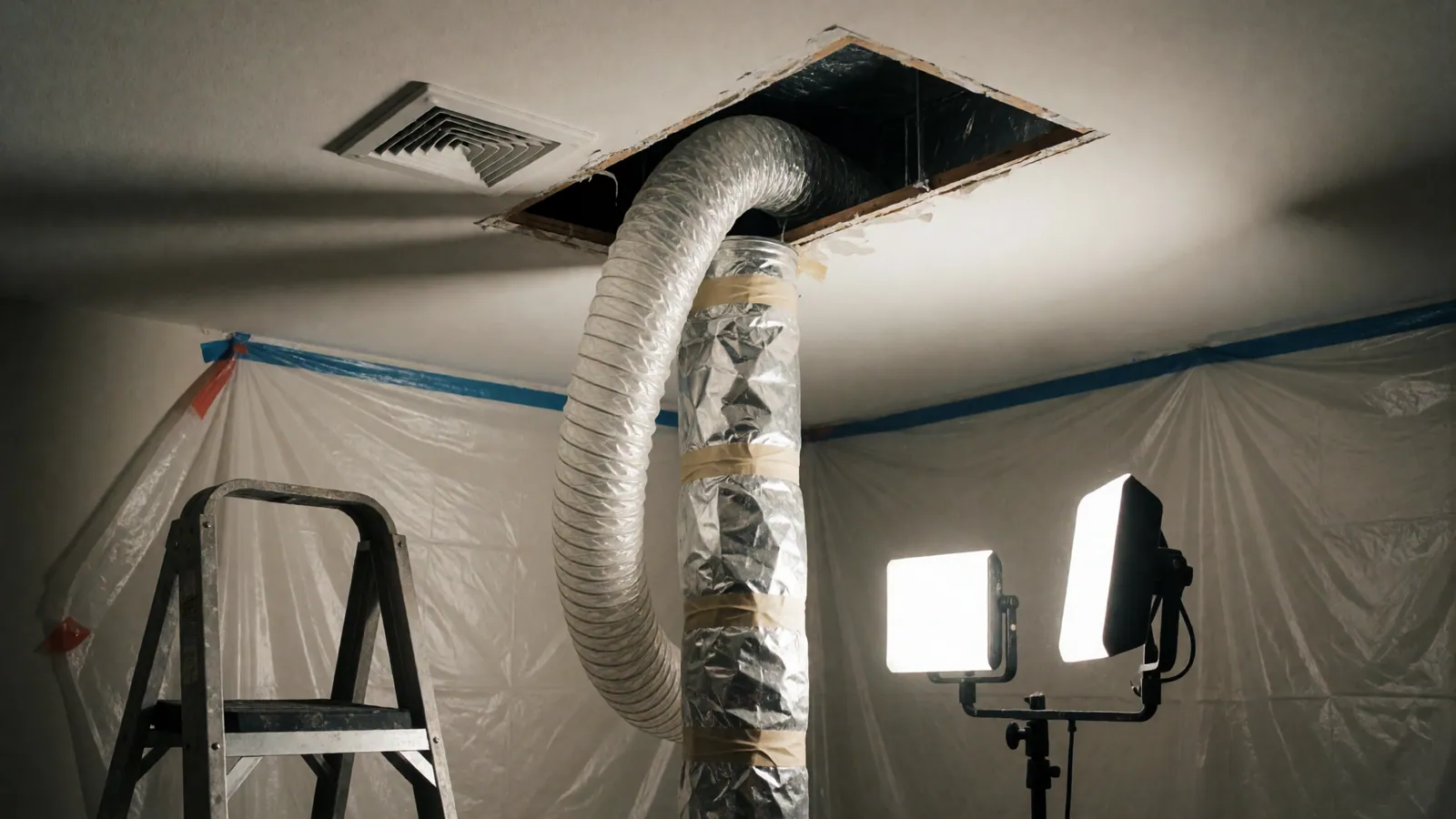
The ductwork is how soot and odour reach rooms the fire never came near, and cleaning the rooms while leaving the ducts alone treats half the problem. This is the step most jobs skip.
A forced-air system moves whatever is riding in the air along with it. Every time the blower runs, it draws air through the return, across the coil, and out through every supply register — and whatever it was carrying is now sitting in the ductwork rather than in any room you can see.
Cleaning a room without checking the ducts that feed it addresses half the problem. The coil and the first few feet of duct off the air handler are usually the most heavily loaded part of the system, and nobody sees them inspecting the visible rooms.
What actually gets cleaned
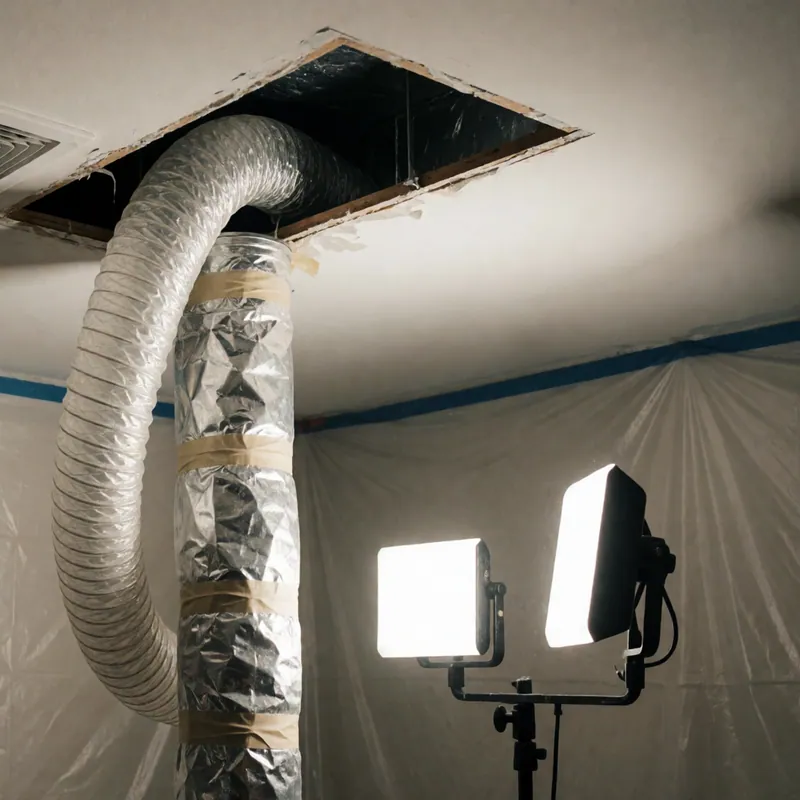
Access comes through existing panels, or new ports cut, cleaned through and capped afterward. From there it is the trunk line, the branch runs, the blower compartment and coil, and the return grille and filter housing.
The method is mechanical agitation — brushes and air whips to dislodge what has settled — combined with HEPA vacuum extraction under negative pressure, so material is pulled out rather than pushed further down the line.
When it is standard and when it is a separate decision
After a puffback, duct cleaning is close to automatic — that is how the residue got everywhere it got. After a structure fire that reached the HVAC system's operating radius, it is usually necessary too.
After a small kitchen fire where the system was off throughout, it is often not needed. We check with a test swab from a supply register before recommending it, rather than selling it as a default line.
What duct cleaning is not
It is not chemical fogging sprayed into a duct as a substitute for mechanical cleaning, which mostly adds a scent on top of what is still on the duct walls. And alone, it is not a complete answer to a lingering smell.
Nor is it a maintenance service we sell disconnected from an actual loss. If your ducts have not been exposed to soot, grease or odour from an event we can point to, we will tell you a clean is not needed.
Included as standard
What the job actually includes
A test check before we recommend the job
Confirming contamination is actually present rather than assuming it.
Trunk and branch run cleaning
Under negative pressure, so material is extracted rather than redistributed.
Blower compartment and coil cleaning
Usually the most heavily loaded part of the system.
Return grille, registers and filter housing
Cleaned or replaced, matched to condition.
Access ports capped and finished
Not left open once the work is done.
A written note on what was found, by run
So you know what was actually in the system.
When to call us
Signs this is the job you need
- A dusty or sooty smell each time the heat or air conditioning starts
- Visible dark residue around one or more supply registers
- A film on the return grille or filter that looks oily
- A smell noticeably stronger in one room than the rest
- The system was running during or shortly after a fire or puffback
- A recent cleaning of the rooms that did not stop a smell returning
HVAC and duct cleaning after a loss — what it costs
- A residential system, by run count and access.$900 – $3,800
This is the range this job actually lands in, not a headline figure. The low end is a straightforward version of the work; the high end is one with a hard access problem, an old service, or something that has to be opened up before anybody can be certain. We tell you which one you have after we have looked, and the written quote says where the price could still move and why.
Questions we are actually asked
Duct cleaning — frequently asked
Do I need this after every fire?
No. It depends on whether the system was operating during or after the fire and whether contamination reached it. We check with a test swab first rather than recommending it automatically.
Will duct cleaning get rid of the smell completely on its own?
Not usually by itself. It is one part of a sequence that includes removing what is holding the odour and treating what remains. Paired with the rest of the job, it is often the piece that stops the smell coming back.
How long does it take?
For a typical residential system, usually a few hours, depending on run count and access. We give a real estimate on site rather than a fixed number in advance.
Related work
Often needed alongside this
Puffback cleanup
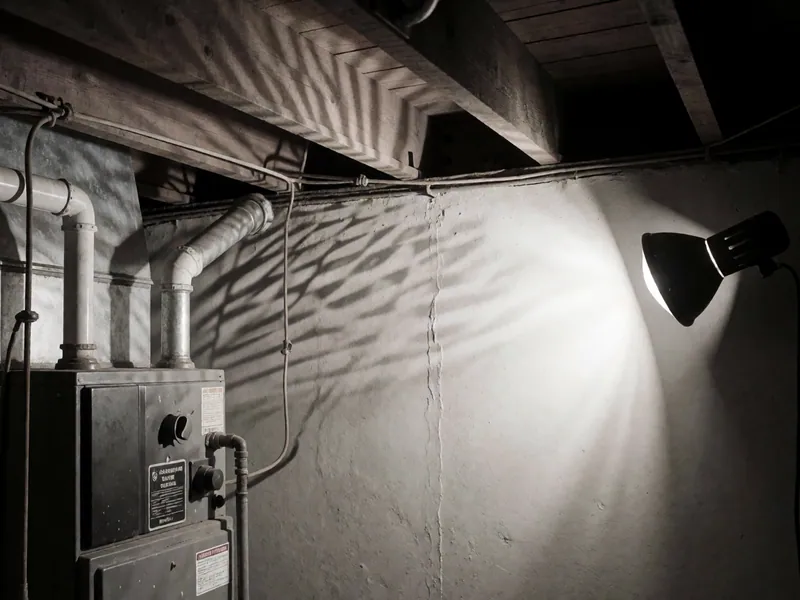
The oily black soot a misfiring burner blows through every duct in the building, usually on the coldest night.
$2,800 – $14,000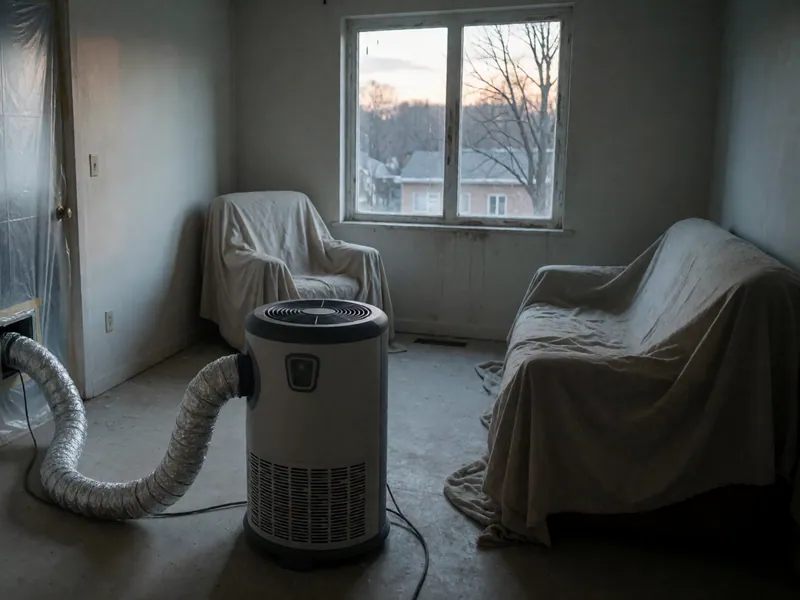
Odour removal
Getting the smell out properly, which means finding what still holds it rather than covering it over.
$1,400 – $7,600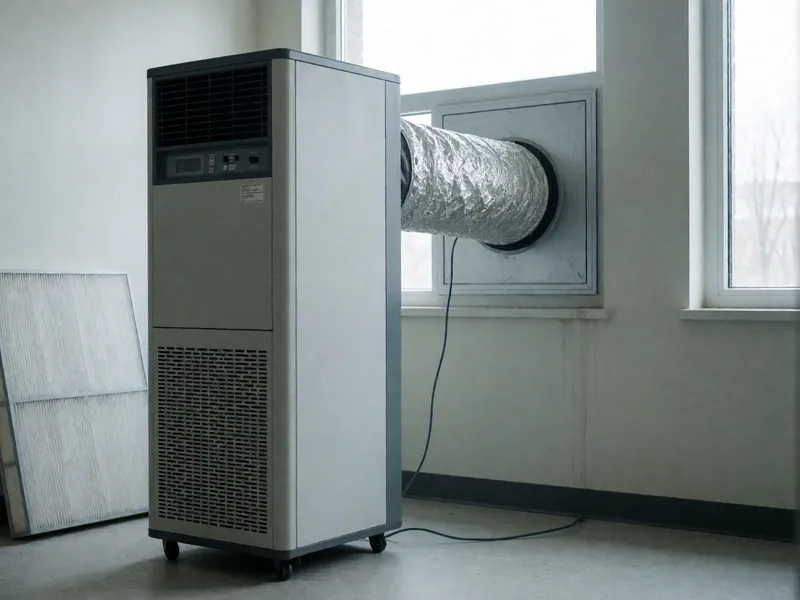
Air scrubbing
Negative air and filtration that keep the work zone's problems inside the work zone.
$180 – $340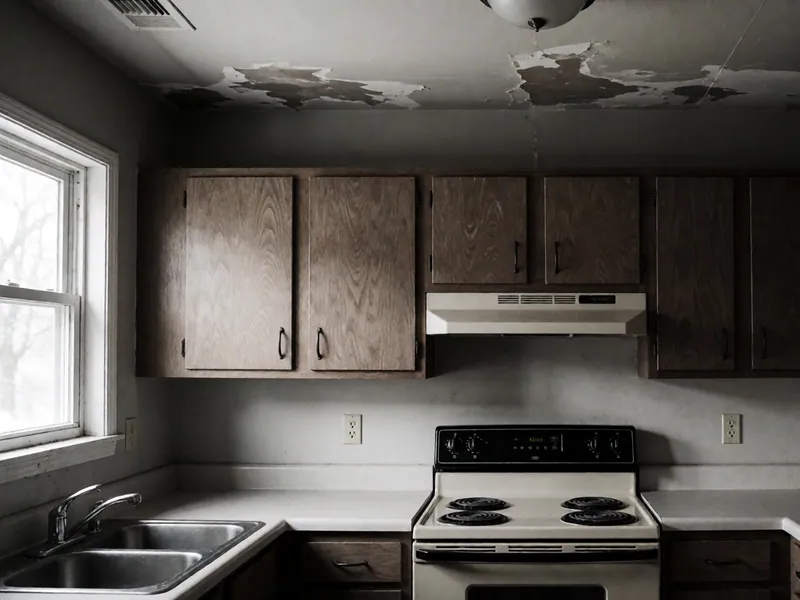
Kitchen fires
Small fires, enormous residue — a pan fire can film an entire apartment in something that will not simply wipe off.
$2,400 – $12,500Somebody who does the work will come and look
Book a visit
Telephone and you will get somebody on this crew rather than a call centre, at any hour. The emergency assessment is free inside our service area and you keep the written findings whether or not you use us. If what you describe will keep until the morning, we will tell you that instead of sending a van.