Fire, smoke & odour
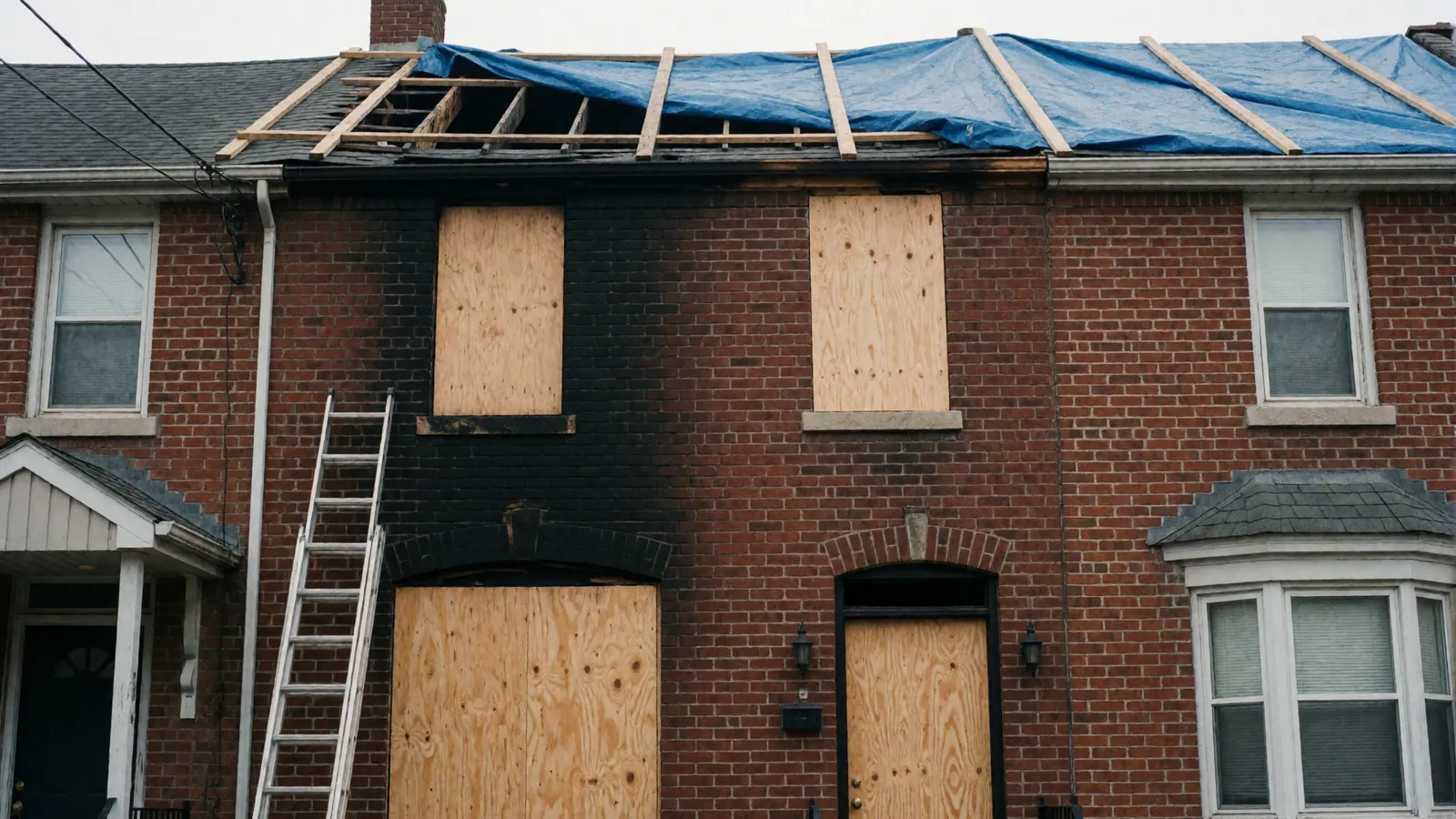
Emergency board-up and roof tarping
Closing the openings a fire or a storm left behind, the same night, so weather and strangers are not the second loss stacked on the first. This is emergency securing, not firefighting.
A fire or severe storm often leaves a building open in a way it was never built to be — a burned-through roof section, a window taken out for ventilation, a door forced by whoever responded. An open building is the start of a second loss, and insurers generally expect reasonable steps to stop it.
What we do is close the envelope back up — plywood over openings, a tarp over a damaged roof, secured properly rather than draped. What we do not do is decide whether the building is safe to be in at all. That is not our call.
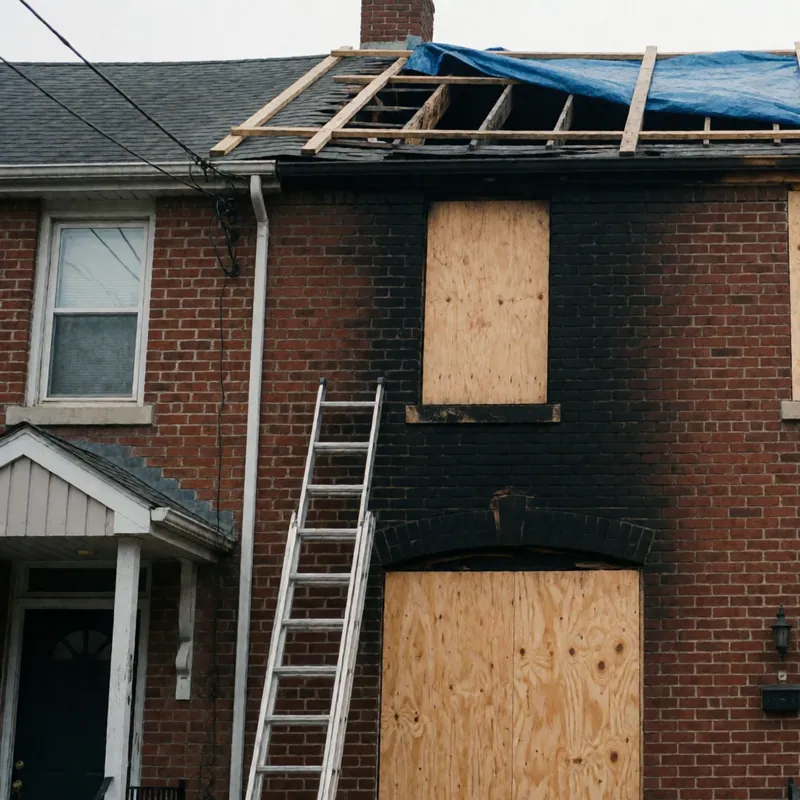
Before anything is secured, the building has to be released
Nobody, including us, goes into a fire-damaged building before the fire department releases it. A structure that looks stable from the street can have a compromised floor, a hot spot that reignites hours later, or an unanswered electrical question.
So the first question on the telephone is whether the building has been released, and if not, we wait — even when it costs us the job. If fire is still active, or you smell gas, the call that matters is 911.
What actually gets secured, and in what order
Ground-floor openings first, because they are the ones anybody can reach. Cut plywood, finished rather than nailed raw over broken glass, fixed to the frame. Priced by opening, and we say the number before anybody sets off.
Then the roof, where there is one. A tarp over a burned section is battened along every edge rather than weighted at the corners, because wind finds the one loose edge and does the rest of the damage itself.
What this is not — a repair, and not a guarantee
A board-up is temporary. It buys the days you need for the rest of the loss, it is not weatherproof indefinitely, and it should be checked after the first real weather.
We will not tell you it is permanent, and it does not remove the need for a proper roof or window repair on a normal schedule. It closes the building. It does not fix it.
Sometimes the right call is not to us. There are situations where the right thing to do is not to call us. If there is fire or you smell gas, ring 911. If the building has been struck structurally, do not go back inside until the Fire Department releases it, whatever is in there. If water is anywhere near live electrical equipment, the power comes off before anybody steps in it. If it is a burst supply line, the job in front of you is the stopcock, not the telephone. We would rather arrive to a house where somebody shut the water off an hour before we got there than be the first call and the reason nobody made a better one.
Included as standard
What the job actually includes
Phone triage before anybody drives out
Is the building released, is anybody hurt, is it safe to secure.
Ground-floor openings secured
Finished board fixed to the frame, not raw plywood nailed over glass.
Roof tarping, battened rather than draped
Every edge fixed down — a loose edge is where wind undoes it.
Photographs of every opening
Before and after, for your record and your insurer's.
A written note of what was secured
What was closed, where and with what — not a verbal promise.
The price by opening and by roof area
Given on the telephone before we set off, never adjusted on arrival.
When to call us
Signs this is the job you need
- A broken window or door that no longer closes since a fire or storm
- A section of roof burned through or torn off by wind
- Daylight visible through a roof from inside the attic
- A missing section of siding or wall exposing the interior
- An unsecured ground-floor opening on an unoccupied building
- Rain or wind forecast within the next day on a building already open
Emergency board-up and roof tarping — what it costs
- Openings secured and a roof section tarped. Priced by opening and by roof area.$650 – $2,400
This is the range this job actually lands in, not a headline figure. The low end is a straightforward version of the work; the high end is one with a hard access problem, an old service, or something that has to be opened up before anybody can be certain. We tell you which one you have after we have looked, and the written quote says where the price could still move and why.
Questions we are actually asked
Board-up & tarping — frequently asked
Should I call you or the fire department first?
The fire department, always, for any question of fire, gas or structural safety — call 911, not us. We secure a building after it is released, not before. If you are not sure it has been, that is itself a reason to call 911.
How long does a board-up actually hold?
Long enough to get you to the next stage of the job, usually days rather than weeks. It is not a permanent fix. Check it after the first hard rain or wind rather than assuming it still holds.
Will insurance pay for the board-up separately?
That is between you and your insurer. Emergency securing is generally treated as a reasonable step to prevent further damage, which is why we document it — photographs, a written note of what was closed and when.
Related work
Often needed alongside this
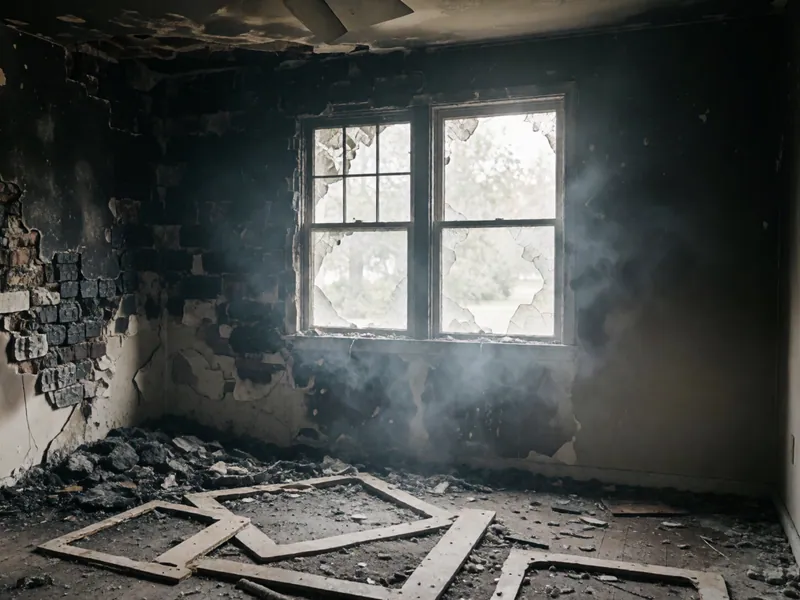
Fire damage restoration
From securing the building on the night to handing back a room you would sit down in — and what happens in between.
$6,500 – $48,000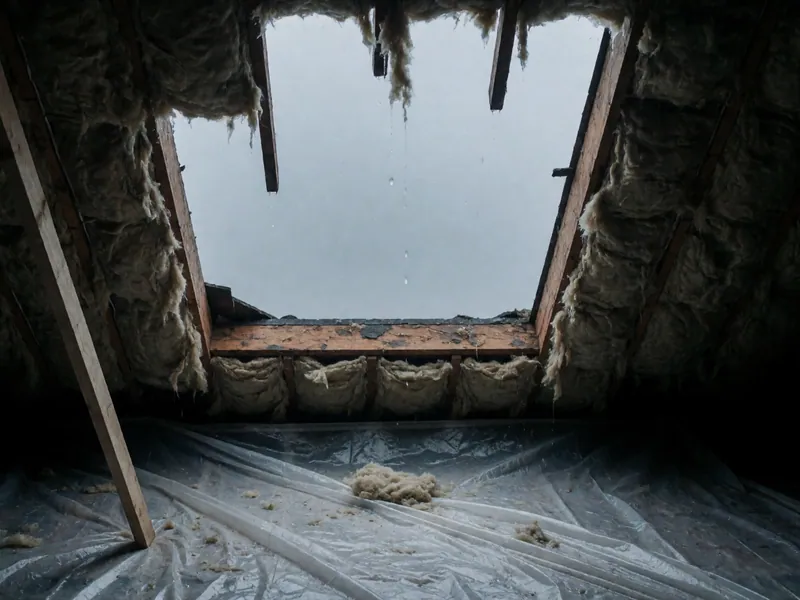
Storm damage
Water that came in through the roof rather than the pipes — secured first, dried second, rebuilt third.
$1,900 – $16,000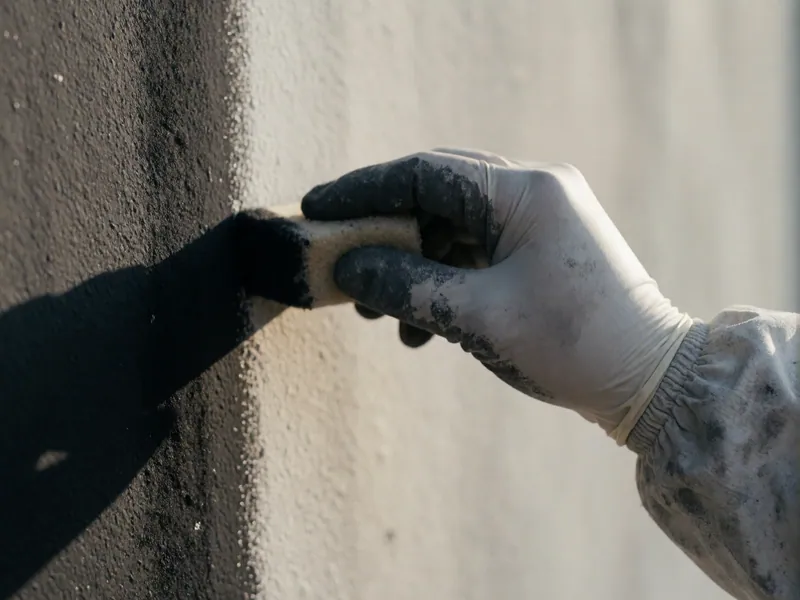
Soot removal
Soot is acidic and it keeps eating surfaces until it is taken off — which is why this is urgent and not cosmetic.
$3,200 – $18,000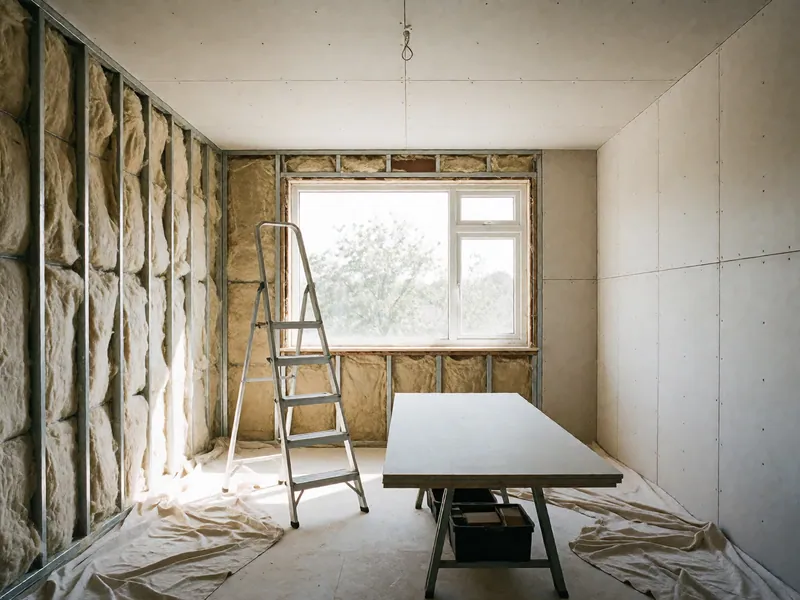
Reconstruction
Putting the building back — drywall, trim, paint, kitchens and baths — under one contract with the drying.
$12,000 – $95,000Somebody who does the work will come and look
Book a visit
Telephone and you will get somebody on this crew rather than a call centre, at any hour. The emergency assessment is free inside our service area and you keep the written findings whether or not you use us. If what you describe will keep until the morning, we will tell you that instead of sending a van.