Mould & indoor air
Antimicrobial application and sanitising
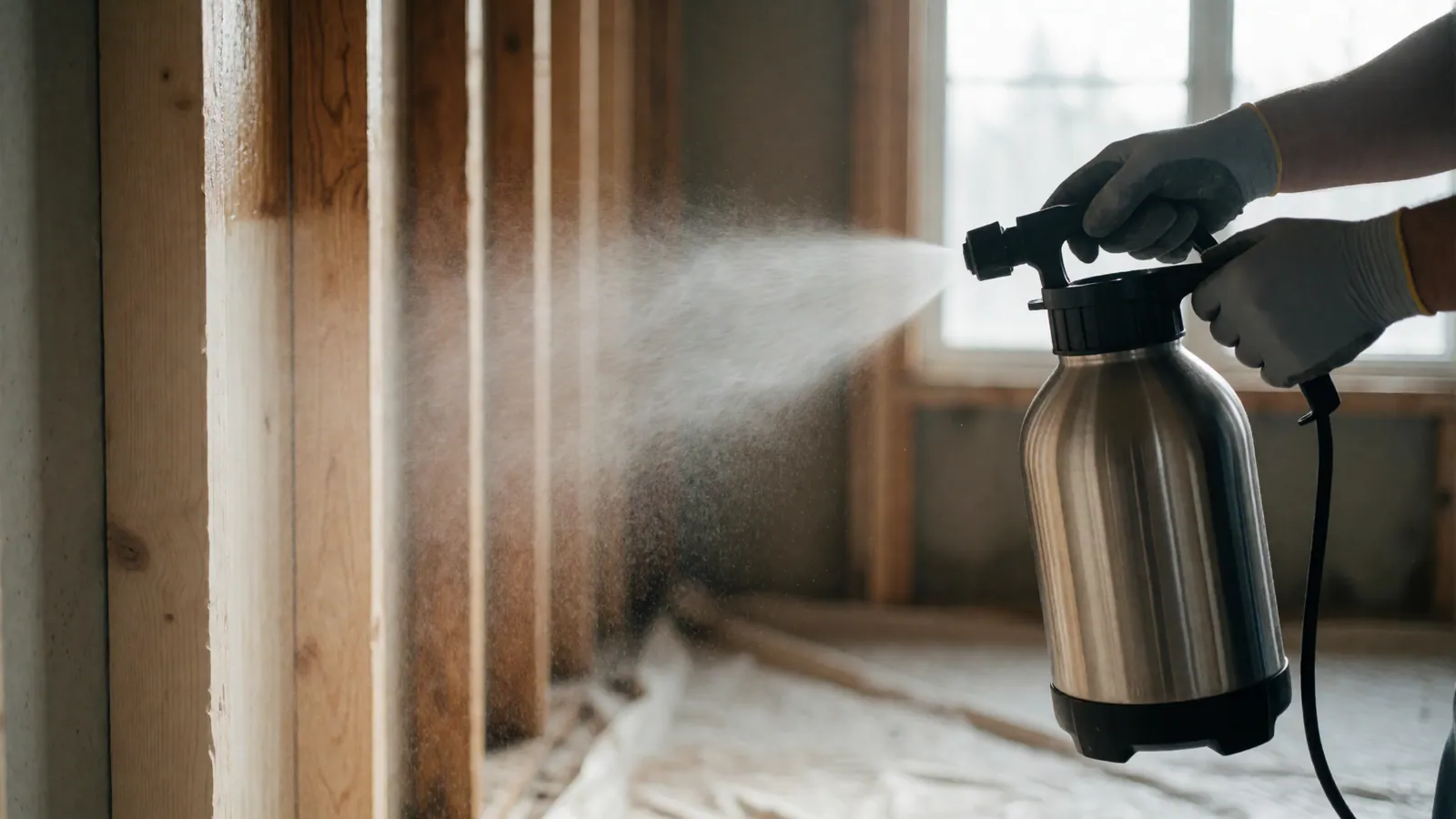
The last step, applied to a surface already cleaned — never the first step, and never a substitute for the removal and cleaning that should have happened before it. Sprayed over dirt, it is theatre rather than treatment.
An antimicrobial application is a product, labelled for the surface it is going onto, applied at its label's rate to slow regrowth on a surface already cleaned. It does not remove material, and it is not a substitute for the steps before it.
The classic shortcut in this trade is spraying a product over a surface that was never actually cleaned. It looks identical in a photograph, costs a fraction of the labour, and fails within weeks, because the organic material the product is meant to slow is still sitting there underneath it.
Why the cleaning happens first
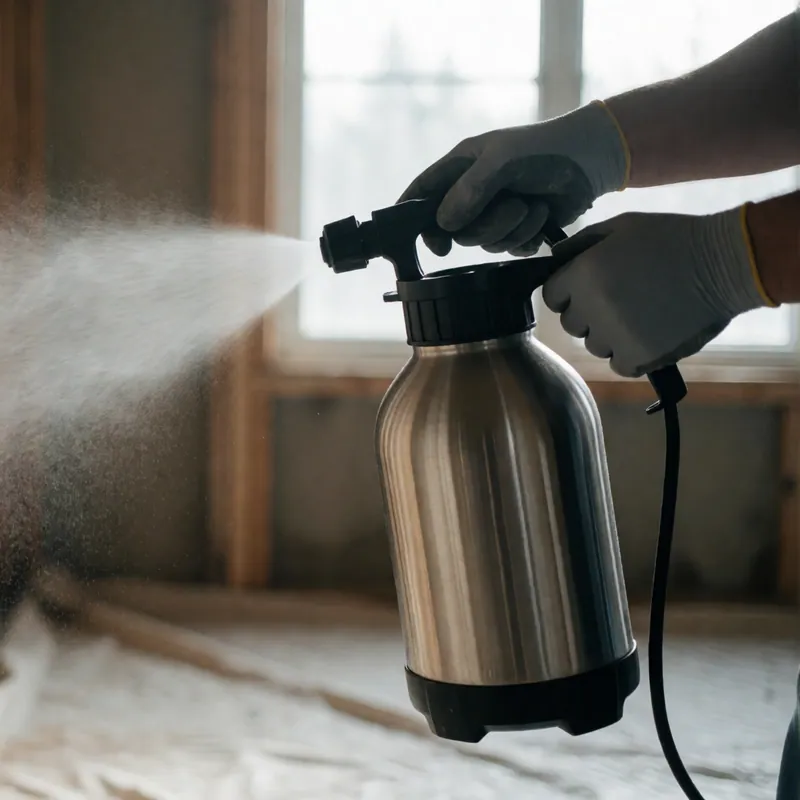
Removal comes before cleaning, and cleaning comes before treatment, every time. Porous material carrying meaningful growth is taken out rather than treated in place. What remains is HEPA-vacuumed and damp-wiped, surface by surface. Only then does the product go on, because it cannot compensate for a skipped step.
We check the surface before treating it — confirmed clean and dry — for the same reason. A product applied to a damp, dirty surface is not slowed down by the dirt so much as defeated by it.
Why bleach is not the answer on a porous surface
Bleach is mostly water, and on drywall, wood or insulation that is the wrong thing to add to a material already wet. It can lift the colour out of a stain, which looks solved, while the material still holds everything the growth needs.
What we use instead is a product registered for the purpose and labelled for the surface, at the rate the label specifies rather than a stronger one somebody thought would be more thorough. A stronger dose is not a better result; it is just a stronger dose.
What it does, and what it is not
It slows regrowth on a surface already made clean, while whatever caused the moisture problem is corrected properly elsewhere in the job. That is a fact about a surface, not a promise about a building, and nobody can honestly call a house mould-free, certified or safe — including us.
It is also not a health treatment, and we will not describe it as one. Nobody on this crew is medically qualified, and a contractor telling you what a product does for your health is selling a feeling rather than a fact. That question belongs to your physician.
Nobody here is a doctor. Nobody here is a doctor, and nothing on this website is medical advice. We will not tell you that mould in your home has made you ill, that it has not, or what any symptom means — those are questions for your physician, and a contractor who answers them is selling something. What we can tell you is what we can measure: where the water is, how far it has travelled, what is growing and over how large an area. If you are worried about your health, ring your doctor first and us second.
Included as standard
What the job actually includes
Applied only after removal and cleaning are complete
Never a way to avoid doing either first.
A product registered for the surface being treated
Used at the label's rate, not a stronger one.
The surface checked before it is treated
Confirmed clean and dry before anything is applied.
Applied evenly by area and left to dwell per the label
Not sprayed fast to cover a large space.
No claim of a mould-free result afterward
Nobody can certify that, including us.
A written record of what was treated and when
For your assessor's clearance visit.
When to call us
Signs this is the job you need
- A cleaning job is finished and the assessor's plan calls for a treatment step
- A surface has been dried after a water loss and needs a final step before it is closed up
- A previous contractor sprayed a product without removing or cleaning the material first
- A porous surface was treated with household bleach and the growth returned
- A crawlspace or attic has been cleaned and is ready for its last step
- An assessor's report specifies this step by name
Antimicrobial application and sanitising — what it costs
- By treated area, always after removal and cleaning rather than instead of them.$450 – $1,800
This is the range this job actually lands in, not a headline figure. The low end is a straightforward version of the work; the high end is one with a hard access problem, an old service, or something that has to be opened up before anybody can be certain. We tell you which one you have after we have looked, and the written quote says where the price could still move and why.
Questions we are actually asked
Antimicrobial treatment — frequently asked
Why not just use bleach?
On a hard, non-porous surface, sometimes it is fine. On drywall, wood or anything porous, no — bleach is mostly water, which does nothing useful for a material that is already wet, and does not remove what a spore needs.
Will this make my house safe?
We will not tell you that; nobody can honestly promise it. What the product does is slow regrowth on an already-cleaned surface while the moisture problem is corrected properly. Health questions belong to your physician, not this page.
How long does the treatment take to work?
The application itself is usually finished within a working day. How long it needs to dwell before the space closes up is set out on its label, not a schedule that suits us better.
Related work
Often needed alongside this
Mould remediation
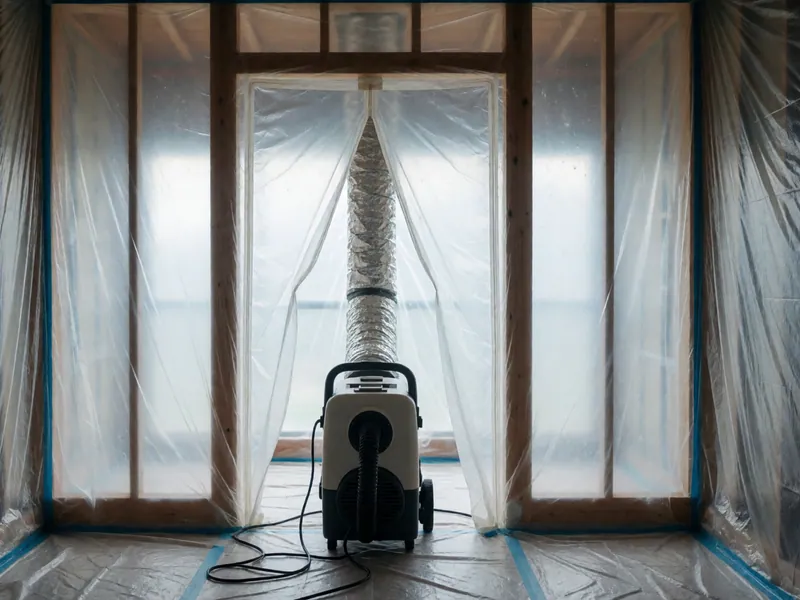
Containment, removal and cleaning to an independent assessor's plan — never to a plan we wrote ourselves.
$2,400 – $7,800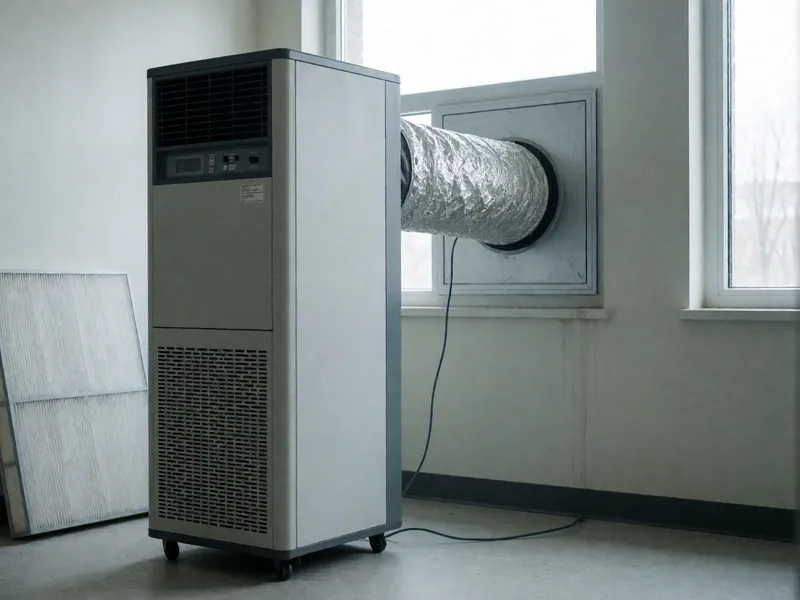
Air scrubbing
Negative air and filtration that keep the work zone's problems inside the work zone.
$180 – $340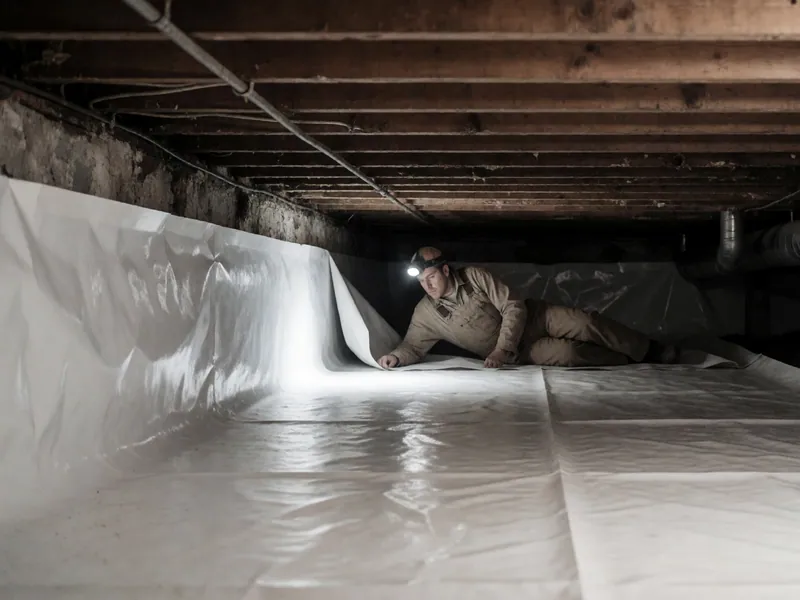
Crawlspace & attic
The two places nobody looks, where a ventilation problem quietly becomes a remediation problem.
$1,800 – $6,400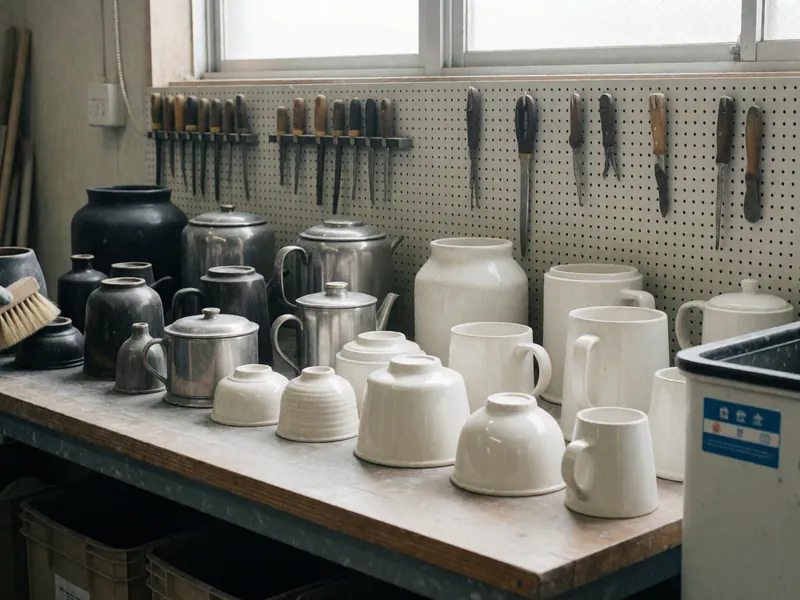
Contents cleaning
Cleaning what came out of the building, on a bench, with the ones that will not clean set aside and listed.
$1,200 – $9,000Somebody who does the work will come and look
Book a visit
Telephone and you will get somebody on this crew rather than a call centre, at any hour. The emergency assessment is free inside our service area and you keep the written findings whether or not you use us. If what you describe will keep until the morning, we will tell you that instead of sending a van.